
Marymount University
Arlington, Virginia
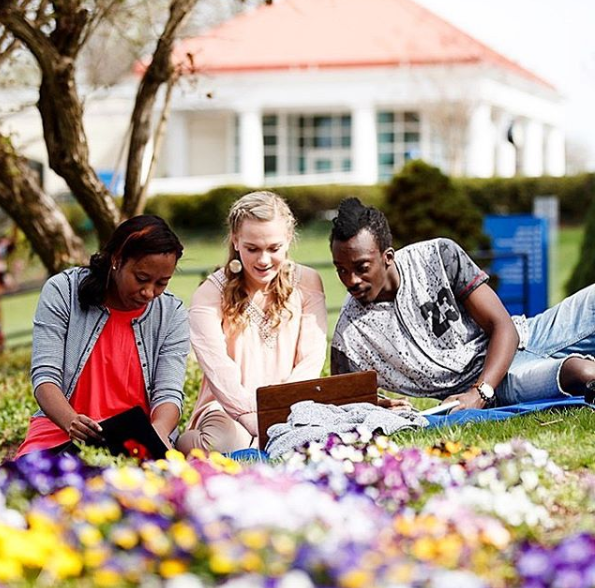
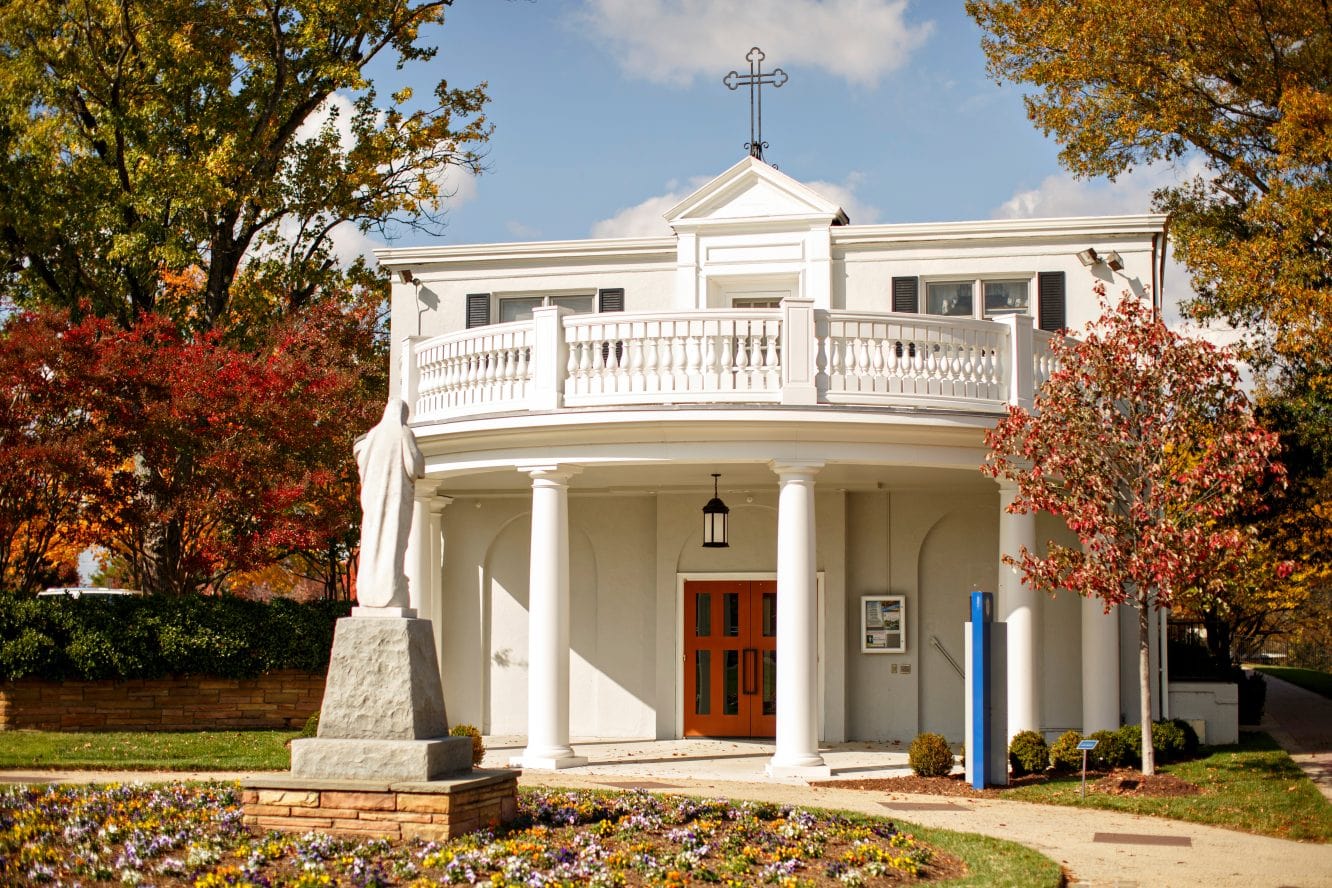
A Marymount education provides a strong liberal arts foundation with a global perspective, extensive networking and career preparation, and an inclusive community where students are encouraged to “Learn with Purpose.” Founded by the Religious of the Sacred Heart of Mary, Marymount calls the members of the community to embrace a value of service to others, which continues to be reflected in the work of its faculty, staff, students, and alumni around the world.
As a Catholic university, Marymount welcomes people of all faiths and cultures, enjoying an ethnically diverse student body that enriches the learning experience for everyone. Its dozens of academic programs exemplifies the University’s commitment to innovation, student success, alumni achievement, and faculty and staff excellence.
Get to know Marymount University
College Highlights
DISCOVER
All entering freshmen are required to take Discover, which explores inquiry-based learning while connecting students with peer mentors who provide critical information about the transition to Marymount. These classes are generally small, like most of Marymount’s classes, and are taught by faculty from across campus.
THE CENTER FOR GLOBAL EDUCATION
The Center for Global Education (CGE) is integral to Marymount University’s mission in educating students to be socially responsible global citizens. It supports global learning in various ways with programming both on campus and abroad, offering study abroad programs that include semester programs; short-term, faculty-led trips; a Global Classroom Series; international internships; global student-teaching; graduate programs; and domestic study away options.
Students can choose to study abroad for a full semester through partner universities and providers, immersing themselves as full-time students at another university or international center. If students are unable to study abroad for a full-semester, the CGE offers various short-term program options to help students have a meaningful international experience. Short-term, faculty-led programs, along with the Global Classroom Series programs, allow students to travel abroad for approximately 1-3 weeks with a faculty leader and fellow students. These programs are available at both the undergraduate and graduate level.
International internship programs are also available for students during the summer semester or during their semester abroad. These internships are credit-bearing, unique opportunities to gain real-world experience in an international context. Similarly, global student-teaching programs allow undergraduate and graduate students in education to gain student-teaching experience in elementary and secondary schools abroad.
In addition to its international programming, the Center for Global Education (CGE) also coordinates occasional domestic field experiences. These short-term, faculty-led programs give students the opportunity to get great first-hand learning experiences as they connect what they are learning inside of the classroom to “real-world” settings. These programs incorporate service-learning and cultural diversity and career preparation.
UNDERGRADUATE RESEARCH
Marymount requires all students to develop competence in inquiry-based learning, fulfilled through the first-year Discover 101 course as well as various inquiry-based courses within their academic programs. Additionally, the university supports students across all academic majors and all stages of study to continue to develop their research skills. Marymount provides opportunities for students to work with individual faculty mentors on summer research/creative projects and present scholarly/creative works at the university’s annual Student Research Conference held each April. Students can also receive funding to travel to external professional conferences to present their research or to attend regional competitions of research/creative works.
Research is also an integral part of the Honors Program curriculum. Honors students work with faculty members of their choosing in two Honors tutorials. Often, students present their tutorial research at Marymount’s Student Research Conference, or at such external conferences as the Virginia Collegiate Honors Council or National Collegiate Honors Council conferences.
ENROLLMENT BY ETHNICITY
Non-U.S. Citizen: 8%
Hispanic/Latine: 31%
Black or African American, non-Hispanic: 16%
White, non-Hispanic: 27%
Native/Indigenous American or Alaska Native, non-Hispanic: 0%
Asian, non-Hispanic: 5%
Native Hawaiian or other Pacific Islander, non-Hispanic: 5%
Two or more races, non-Hispanic: 3%
Race and/or ethnicity unknown: 9%
“The small classes at Marymount really allowed me to form close relationships with my professors—both improving the quality of education that I was receiving and allowing me to make more connections. I wouldn’t change the experiences and education I acquired at Marymount for another university—ever!” – Jisandry Gonzalez, BA, Class of 2020
LIBERAL ARTS CORE
Marymount’s Liberal Arts Core is grounded in the traditional humanities and sciences, the study of which provides students with a broad understanding of human cultures and the world around them, prompts them to examine their own lives and values, and encourages them to cultivate their sense of personal and social responsibility.
The Liberal Arts Core curriculum includes courses in writing, mathematics, the natural and social sciences, humanities, philosophy, and theology or religious studies. Beyond these core courses, Marymount also requires coursework that includes inquiry-based learning experiences, exposure to global perspectives, and an opportunity for experiential learning through an internship or research project.
Students are exposed to global perspectives on campus, as well; international students make up about 15 percent of the student body, and Marymount’s Center for Global Education provides the chance to live, study, intern, and serve around the world. Marymount’s close-knit academic community is enlivened by professors with real-world experience, all of whom take a personal interest in student success and power a culture of engagement that fosters intellectual curiosity, service to others, and an overall global perspective. Innovative undergraduate programs combine a strong liberal arts foundation with solid career preparation.
LEADERSHIP DEVELOPMENT
Leadership Development is a collaborative, inclusive process that is open to all students throughout each aspect of their University experience. Participants in the Leadership Development program become well-rounded individuals with the knowledge, skills, capacity, and desire to lead, empowered to share their leadership gifts in their ongoing journey as they cultivate positive social change. Students in the program develop their leadership skills through the following opportunities:
- Peer Mentors
- Orientation Leaders
- Student Organization Executive Board
- Student Ambassadors
- Marymount University Government Association
- Community Assistants
LIVING AND LEARNING
Marymount has two themed housing options: one that focuses on spiritual/faith development, and the other that focuses on global perspectives. This Global Thinkers program is a residential community for both domestic and international students. Sharing a residential floor, students have a formal and centralized place in which they can engage with one another and share their cultures.
SERVICE-LEARNING
Service is at the heart of Marymount, a pillar of its mission, and a core value. Although Marymount’s faculty, staff, students, and alumni have been involved in service since the university’s establishment, the university recently formalized the value in its 2018 Quality Enhancement Plan (QEP), Empowering Students for Service, which focuses on enhancing student learning through the lens of service. The plan is designed to further develop a learning environment that encourages, values, and supports student awareness of and participation in meaningful service. At Marymount, community networks include the on-campus community; the local Arlington, Virginia, region; the larger Washington metropolitan area; and communities around the world with a global focus.
To further facilitate students’ efforts, the Saints’ Center for Service provides support, builds partnerships, and fosters meaningful opportunities for service and student learning. One of the tasks of the center is to help faculty develop outstanding service-learning courses. Service-learning is a teaching method in which students, faculty, and staff form partnerships with community groups in order to meet needs identified by those community partners while engaging in critical reflection that fosters student learning. The university is developing these courses in programs across schools and disciplines.
GREAT EDUCATION, CAPITAL LOCATION
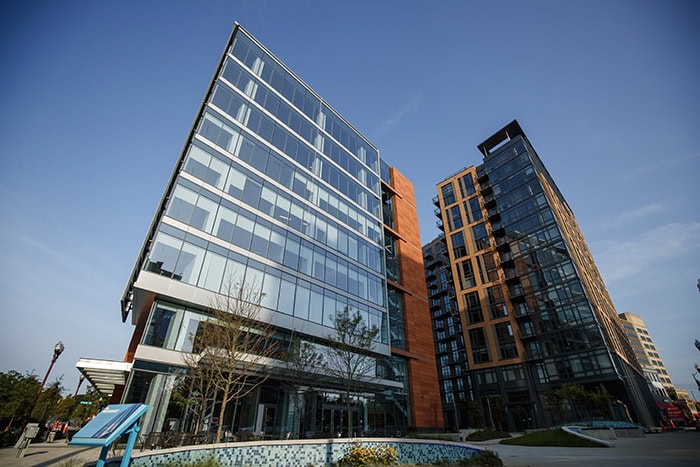
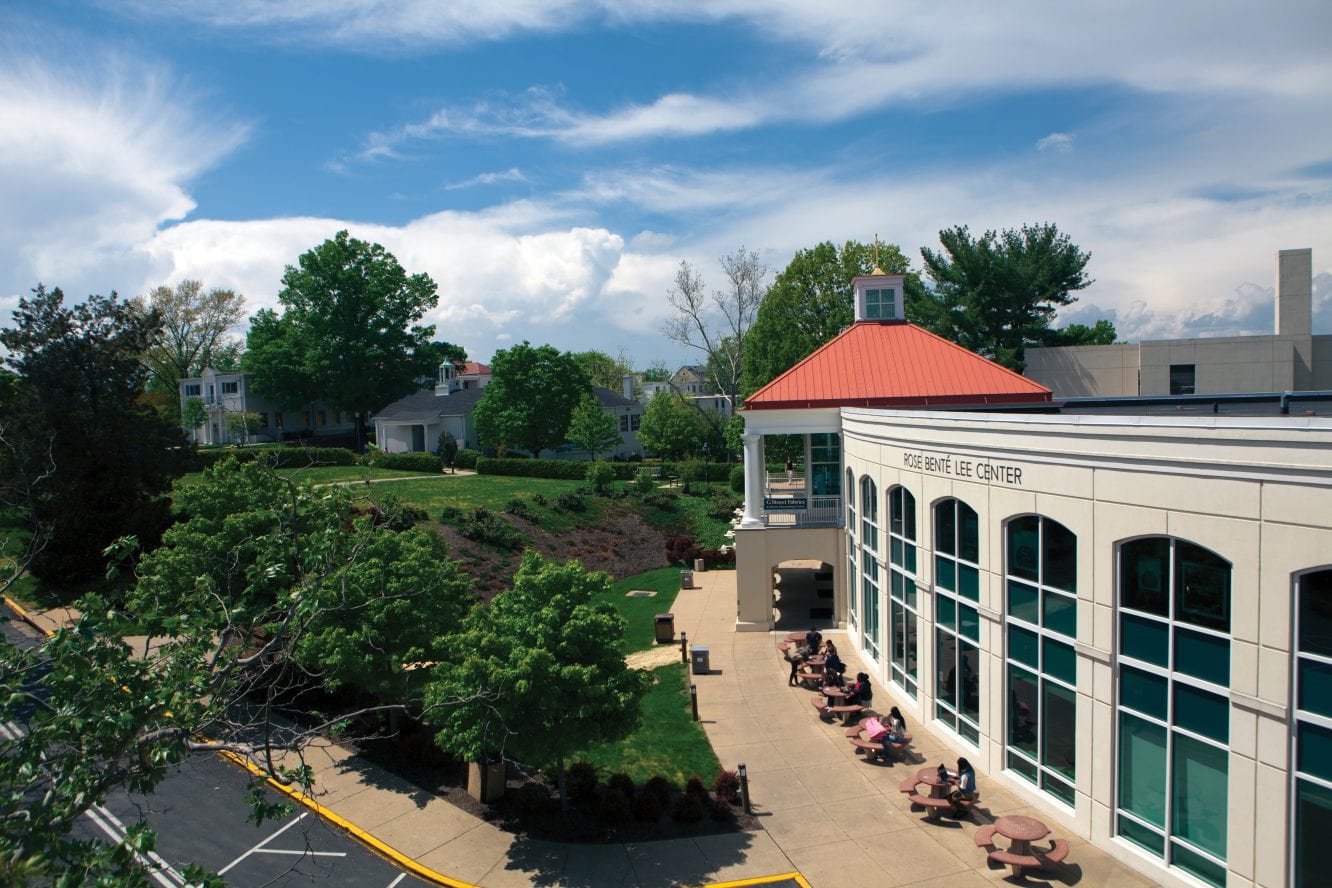
Marymount University, located in Arlington, VA, just five metro stops from the heart of Washington, D.C., is home to an engaged, exceptionally diverse learning community. At Marymount, students enjoy small classes and incredible personal attention. Students are able to take advantage of the resources of the nation’s capital, one of the world’s most important business, arts, financial, and political centers, to provide unique learning experiences for personal and professional growth. Faculty incorporate these resources into the curriculum so that students benefit from all that the city offers, including unique internship sites like Capitol Hill, the National Institutes of Health, the Smithsonian museums, and various international businesses.
Marymount’s mission emphasizes intellectual curiosity, curiosity, service to others, and a global perspective. Its education is grounded in the liberal arts, promotes career preparation, and strives to help students develop both personally and professionally. Marymount’s community values diversity, innovation, and excellence and seeks to embody the principles of the RSHM, to “respond to the needs of our time,” “placing ourselves and our resources at the service of those who are most in need of justice.” Marymount provides services and resources to support students throughout the educational journey and as they pursue employment and further education after they leave Marymount.
ACADEMIC ADVISING CENTER
The Academic Advising Center promotes undergraduate student success by supporting and encouraging each student from orientation through graduation. Professional advisors support students by monitoring progress each semester across their academic careers, helping them achieve the goal of graduating in four years. Academic advisors take a student-centered approach to learning, focusing on the whole person by assessing individual needs and interests, providing appropriate referrals, and helping students understand university policies and procedures. By actively engaging students in discussions about goal setting, decision making, and problem solving, professional academic advisors work in partnership with all students to navigate their life goals and foster success in their fields of study. Once students select a major, they are additionally assigned a faculty mentor to help guide them in their academic and professional efforts and future plans.
INTERNSHIPS AND EMPLOYMENT
All undergraduate students are required to participate in an internship or related experience. Outstanding internship experiences are available throughout the Washington area with corporations, government agencies, schools, hospitals, and retail establishments, Marymount University is committed to helping students identify and secure appropriate internship opportunities, and supports this goal through its Center for Career Services. The center offers the tools to equip students with the search and identification process. There are also opportunities to participate in internships abroad. The Center for Career Services provides resources and support for students and alumni throughout the career development process and offers many student employment opportunities on campus.
Admission
TEST SCORES
Optional
ADMISSIONS INFORMATION
Marymount University offers admission to in-person undergraduate and graduate degree programs, graduate certificate programs, and online program opportunities. Financial assistance is available for all programs of study, but students are encouraged to apply early to ensure they can be considered for maximum aid opportunities. Admission representatives are available Monday – Friday, 9 a.m. – 5 p.m., to discuss any questions about applying to MU in the future.
Tuition & Cost
Tuition: $37,400
Fees: $1,650
Room: $10,060
Board: $6,880
Contact Marymount University
Contact Admissions
marymount.edu/admissions
(703) 522-5600
Campus Location
2807 North Glebe Road
Arlington, VA 22207