
Gannon University
Erie, Pennsylvania
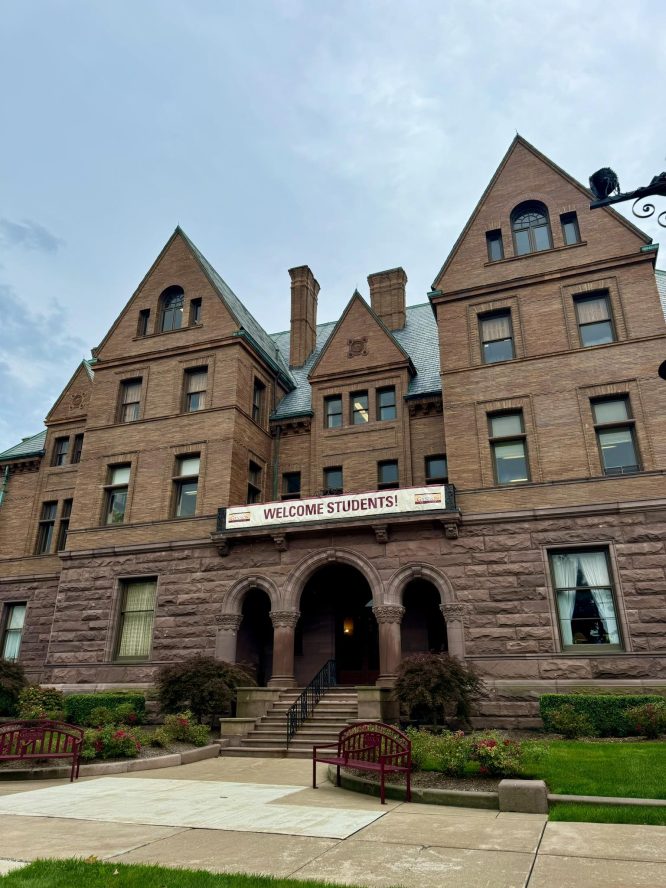
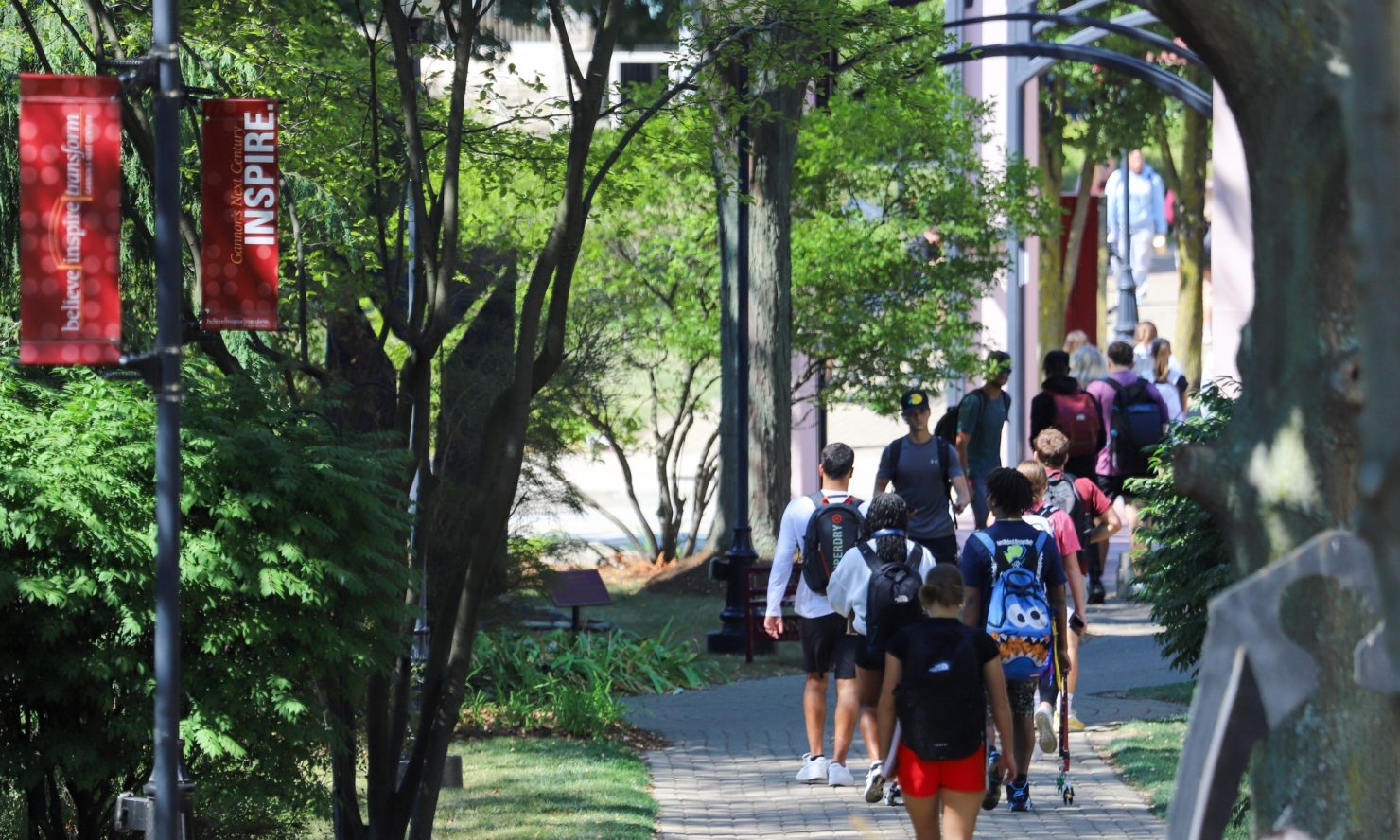
Gannon’s downtown Erie campus puts classrooms next to labs, studios, clinics, and an emerging tech corridor along the bayfront. Students move between seminar tables and real-world work without leaving the neighborhood.
Strengths are easy to spot. Health professions operate in modern simulation spaces; engineering, computing, and cybersecurity train inside I-HACK, a six-story hub built for hands-on cyber, data, and systems work; and study-abroad options range from short faculty-led travel to semester exchanges. Gannon also extends south to Ruskin, Florida, where selected health programs connect with clinical partners in the Tampa Bay region.
Get to know Gannon University
College Highlights
Hands-on work isn’t a side dish at Gannon; it’s baked into the plan from the first year. Courses across the majors fold in labs, studios, simulations, client projects, co-ops, and community partnerships so students practice their craft in real settings and build confidence through repeated, mentored work. Advisers help map those touchpoints across fall, spring, and summer.
Examples come from every corner. Nursing and health sciences rehearse scenarios in the Patient Simulation Center before stepping into rotations with regional providers. Engineering, computing, and cyber students move through I-HACK for build-test cycles using current tools and workflows. Business and analytics majors pick up deliverables for local companies through the Erie Technology Incubator, and short faculty-led travel or semester exchanges add global context without derailing progress to degree.
ENROLLMENT BY ETHNICITY
Non-U.S. Citizen: 24%
Hispanic/Latine: 4%
Black or African American, non-Hispanic: 5%
White, non-Hispanic: 57%
Native/Indigenous American or Alaska Native, non-Hispanic: 0%
Asian, non-Hispanic: 3%
Native Hawaiian or other Pacific Islander, non-Hispanic: 0%
Two or more races, non-Hispanic: 3%
Race and/or ethnicity unknown: 4%
Faculty keep learning close to practice: discussion that leads to doing, then to feedback students can use on the next pass. In health fields that might be simulation followed by a guided debrief; in cyber and engineering, a design sprint that moves quickly from concept to test; in communication or design, critiques that sharpen work before it goes public.
Mentorship stretches beyond the hour block. Professors review proposals and portfolios, run mock interviews, and make introductions to partners in hospitals, manufacturers, start-ups, media, and nonprofits around Erie. Small classes and programs clustered across health, engineering/computing, business, humanities, and social sciences make it easy to collaborate without losing depth in a major.
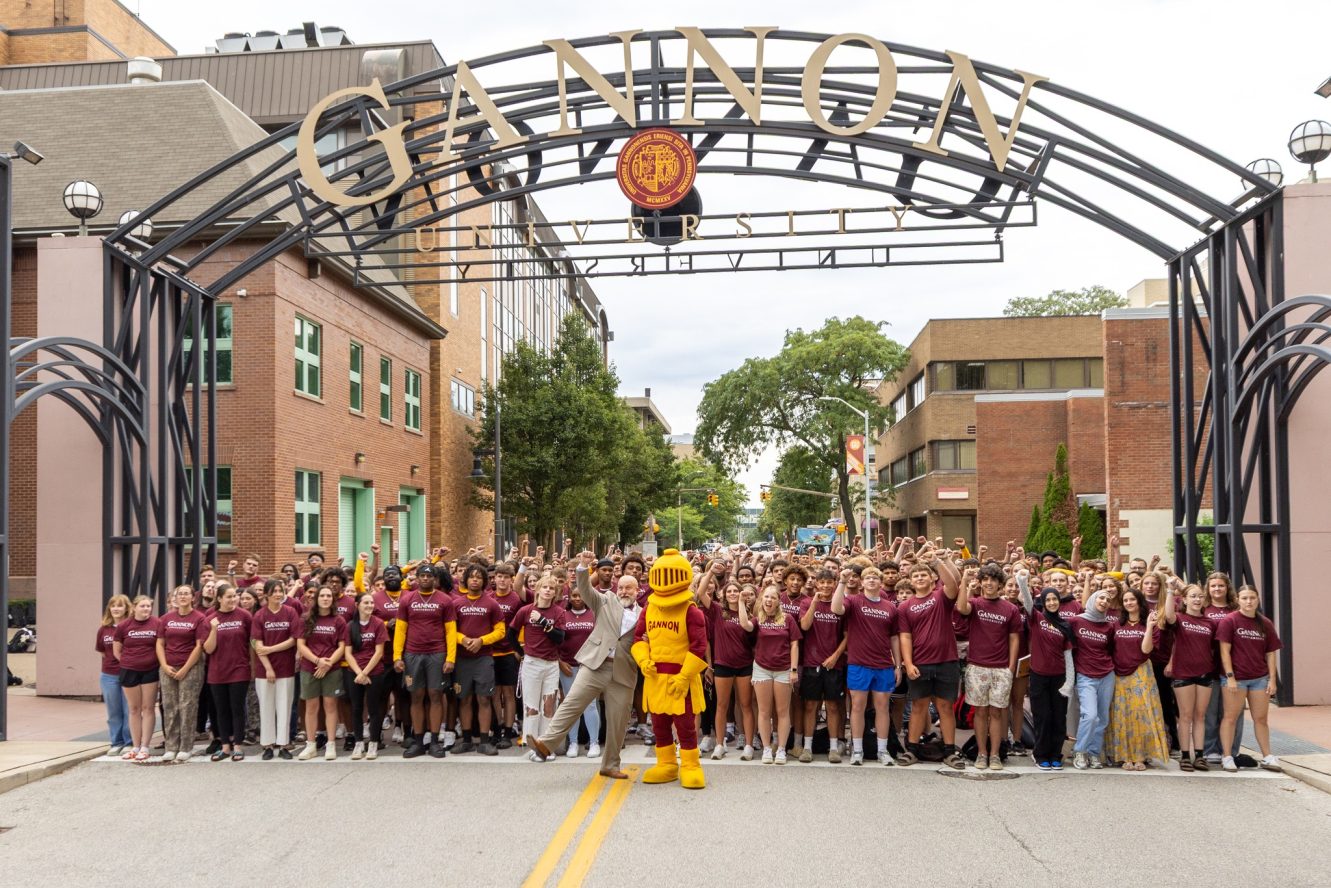
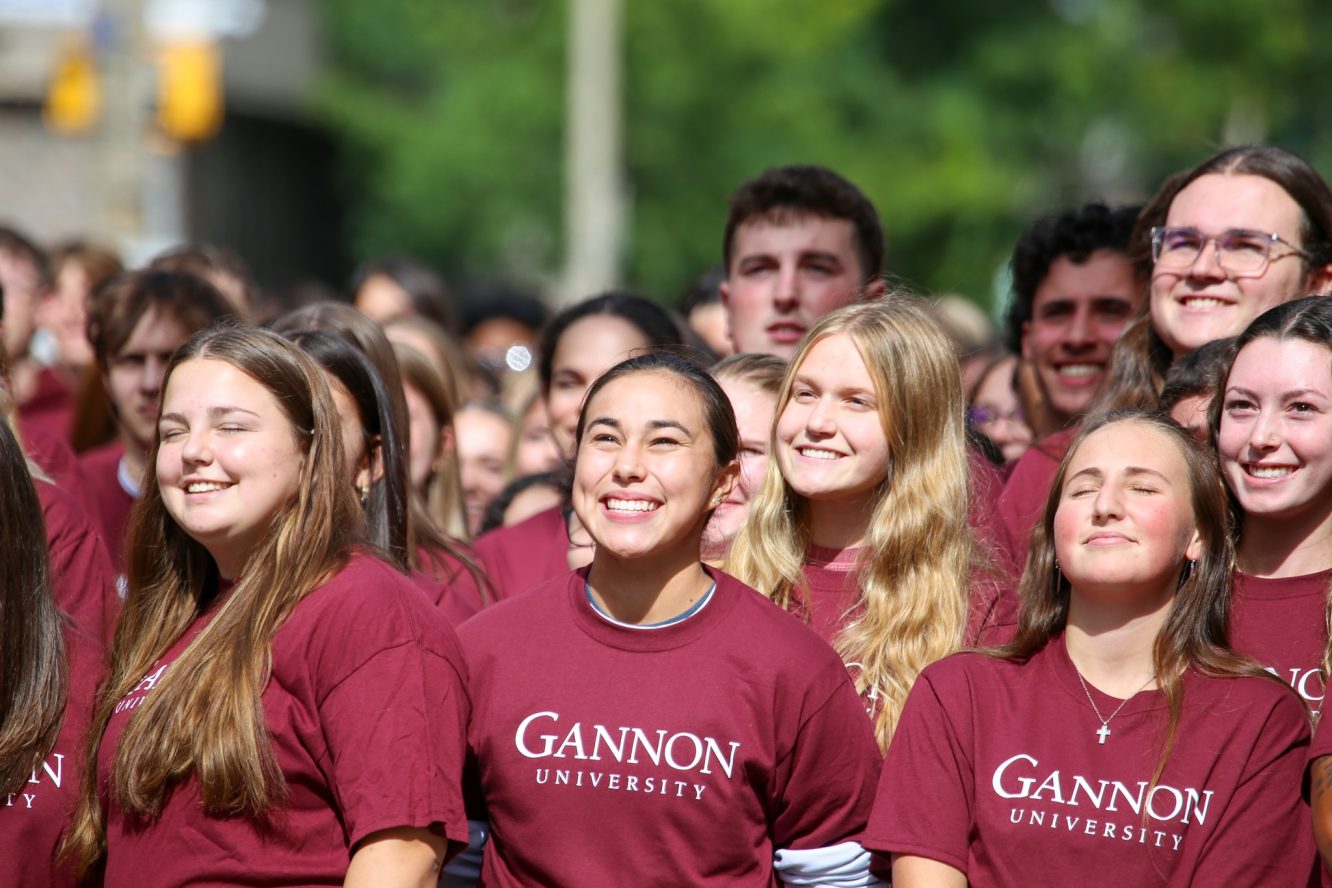
There’s always something to do at Gannon. With 90+ student organizations, including cultural groups, professional societies, esports, service teams, and faith communities, students can find community around any interest. And the downtown setting keeps events and internships within a short walk. NCAA Division II Golden Knights athletics add another center of gravity that pulls the city onto campus.
Erie itself is full of connections. Hospitals, businesses, agencies, and the waterfront arts scene make it simple to stack experience around classes—one day at a clinic or incubator, the next at a gallery or employer event. With Cleveland, Buffalo, and Pittsburgh within a two-hour drive, students tap a broader regional network while keeping a livable Great Lakes base.
Career prep runs alongside coursework. The Academic & Career Development Office offers coaching, résumé and interview support, employer events, and a Handshake hub for internships, co-ops, and entry-level roles. Because applied experiences are threaded through so many programs, simulation sites, studios, labs, incubator projects, and co-ops often turn into supervisor references or first jobs.
For students headed to graduate or professional school, the same structure pays off: health programs layer research and patient contact; cyber and engineering emphasize industry-standard tooling through I-HACK and regional partnerships; business and analytics build client work students can present during applications and interviews. Ruskin’s offerings add a Southern pipeline of clinical partners if Florida is your target market.
Admission
TEST SCORES
Optional
Tuition & Cost
Tuition: $36,865
Fees: $1,086
Room: $8,130
Board: $7,480
Contact Gannon University
Contact Admissions
gannon.edu/admissions/undergraduate-admissions
(814) 871-7407
admissions@gannon.edu
Campus Location
109 University Square
Erie, PA 16541