



Molloy University
Rockville Centre, New York
Molloy University was last recognized as a College of Distinction in 2024.
On Long Island, Molloy offers a campus where students are known, supported, and kept close to the kind of work they came to do, especially in nursing and health sciences, education, business, and the helping professions. The university’s Dominican roots show up as a practical orientation toward service and respect for human dignity, paired with a strong liberal-arts core.
Founded in 1955 by the Dominican Sisters of Amityville, Molloy has grown into a regional comprehensive university serving more than 5,000 students through over 50 academic programs. That scale creates room for choice without losing the benefits of faculty access and close mentorship.
Get to know Molloy University
College Highlights
Hands-on learning is treated as part of the plan, not a bonus. Molloy’s Office of Experiential Learning and Community Engagement supports internships, practicums, service-learning, field experiences, and other applied work that connects academic learning to real settings across Long Island and New York City.
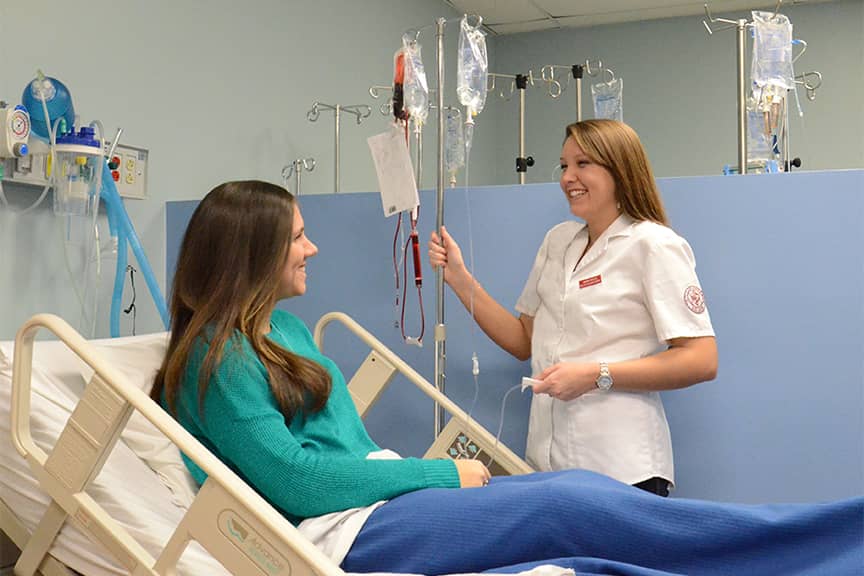
In health fields, practice starts early and repeats often. Nursing students train in simulation and skills spaces, including the Clinical Learning Center, where they can rehearse core techniques and work through scenarios with faculty guidance before heading into clinical environments.
For students interested in communication sciences, Molloy’s Speech, Language and Hearing Center provides supervised evaluation and treatment services for clients of all ages, applying their learning to strengthen their clinical skills while serving the community.
ENROLLMENT BY ETHNICITY
Non-U.S. Citizen: 1%
Hispanic/Latine: 24%
Black or African American, non-Hispanic: 12%
White, non-Hispanic: 45%
Native/Indigenous American or Alaska Native, non-Hispanic: 0%
Asian, non-Hispanic: 9%
Native Hawaiian or other Pacific Islander, non-Hispanic: 9%
Two or more races, non-Hispanic: 2%
Race and/or ethnicity unknown: 7%
Molloy’s academic culture is enlivened by mentorship and close student-faculty connection. Professors keep coursework tied to practical outcomes, such as clear writing, ethical reasoning, evidence-based practice, and professional communication, so students can carry their skills from the classroom into internships and jobs. The university’s mission emphasizes “professional degrees with a strong liberal arts core,” and that balance shows up in how programs combine depth with versatility.
Professional programs reinforce that approach through structured practice and feedback. Nursing students use simulation and guided lab time to build clinical judgment in a supportive environment, and speech-language pathology students build supervised hours while learning how to document, evaluate, and adjust care plans. Across majors, experiential learning staff collaborate with faculty to make applied work feel integrated rather than scattered.
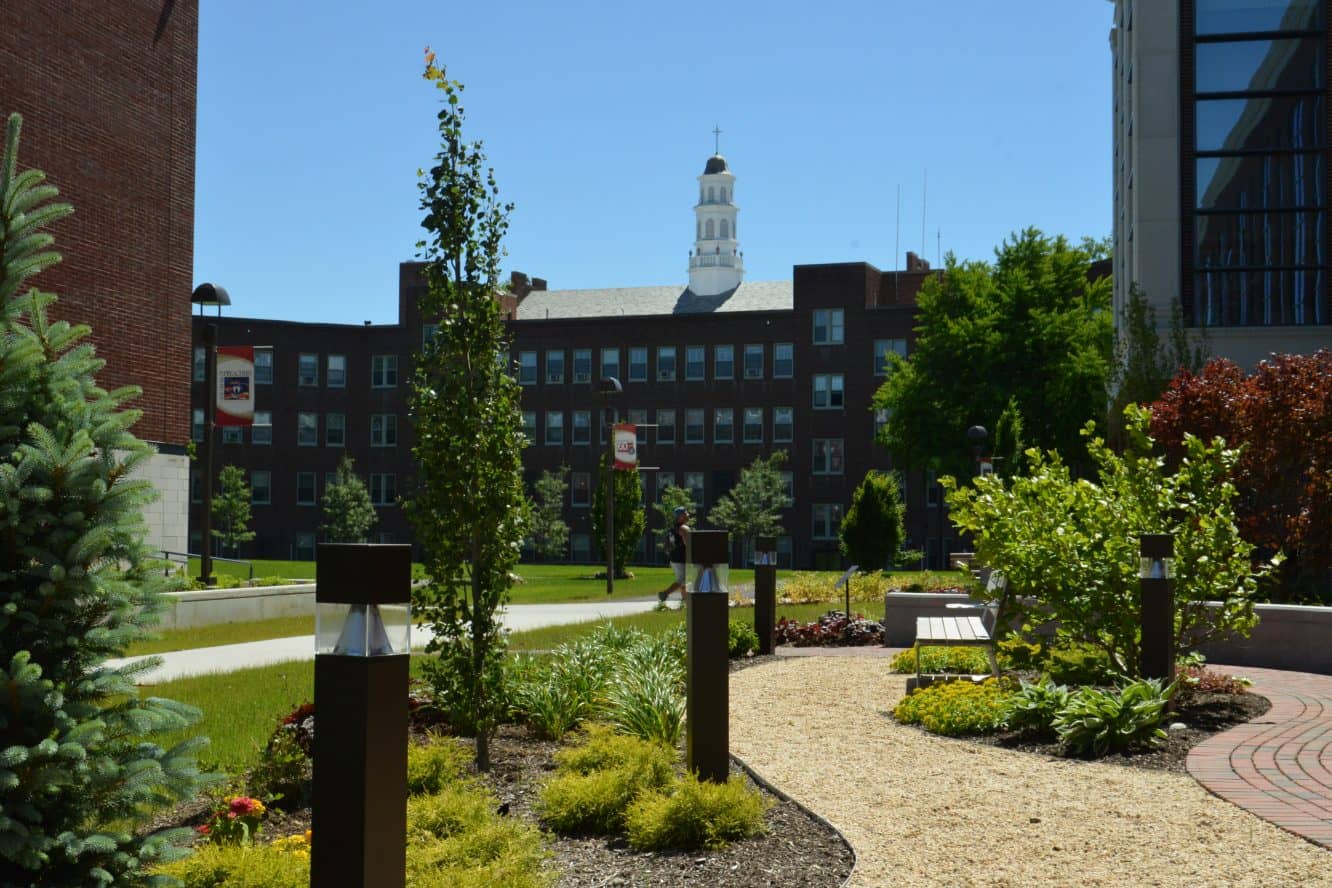
Campus life in Rockville Centre is alive and vibrant, anchored by its two new residence halls and a new student center that includes a performing arts theater. With a wide range of activities, including social events, charitable programs, and Division II athletics, there’s always something to do, someone to meet, or somewhere to go.
Molloy’s campus community tends to feel grounded and people-centered. Students build routines around cohort programs (especially in health and education), service opportunities, and campus events designed to help both commuters and residents feel connected. The Dominican emphasis on community and service shows up less as branding and more as a steady current in how students get involved.
Student organizations add the day-to-day texture. Molloy has over 45 clubs and organizations, with options that span professional interests, identity and cultural communities, media, and student government. MolloyLife, an involvement hub for all things on campus, keeps the calendar and org listings current.
Even as it expands and renovates, Molloy remains committed to its core principles and the power of education to transform lives. Through Molloy’s diversity of programs, personal attention from faculty, and commitment to improving both Long Island and the world, students graduate prepared to make a difference.
Career preparation stays practical and easy to access. The Career Center uses Handshake as the hub for internships, part-time roles, full-time jobs, and employer events, alongside advising services such as résumé and cover letter help and mock interviews.
Applied learning helps students graduate with credible proof of skills. Clinical and simulation training in nursing, supervised work in the Speech, Language and Hearing Center, and internships and field experiences coordinated through experiential learning create a steady pipeline of projects, references, and professional connections. The alumni network of over 25,000 adds another layer of mentoring and opportunity for students building their next step.
The Lions compete in NCAA Division II as part of the East Coast Conference, and game days give students an easy way to show up, feel school spirit, and meet people outside their major.
Even as it expands and renovates, Molloy remains committed to its core principles and the power of education to transform lives. Through Molloy’s diversity of programs, personal attention from faculty, and commitment to improving both Long Island and the world, students graduate prepared to make a difference.
Career preparation stays practical and easy to access. The Career Center uses Handshake as the hub for internships, part-time roles, full-time jobs, and employer events, alongside advising services such as résumé and cover letter help and mock interviews.
Applied learning helps students graduate with credible proof of skills. Clinical and simulation training in nursing, supervised work in the Speech, Language and Hearing Center, and internships and field experiences coordinated through experiential learning create a steady pipeline of projects, references, and professional connections. The alumni network of over 25,000 adds another layer of mentoring and opportunity for students building their next step.
Admission
TEST SCORES
Optional
FRESHMAN PROFILE
SAT Evidence-Based Reading and Writing
25th Percentile: 540 | 75th Percentile: 640
SAT Math
25th Percentile: 548 | 75th Percentile: 650
ACT Composite
25th Percentile: 22 | 75th Percentile: 28
Tuition & Cost
Tuition: $36,280
Fees: $1,560
Room: $14,200
Board: $4,600
Contact Molloy University
Contact Admissions
molloy.edu/admissions-aid
(516) 323-4000
admissions@molloy.edu
Campus Location
1000 Hempstead Avenue
P.O. Box 5002
Rockville Centre, NY 11571