
Rutgers University
New Brunswick, New Jersey
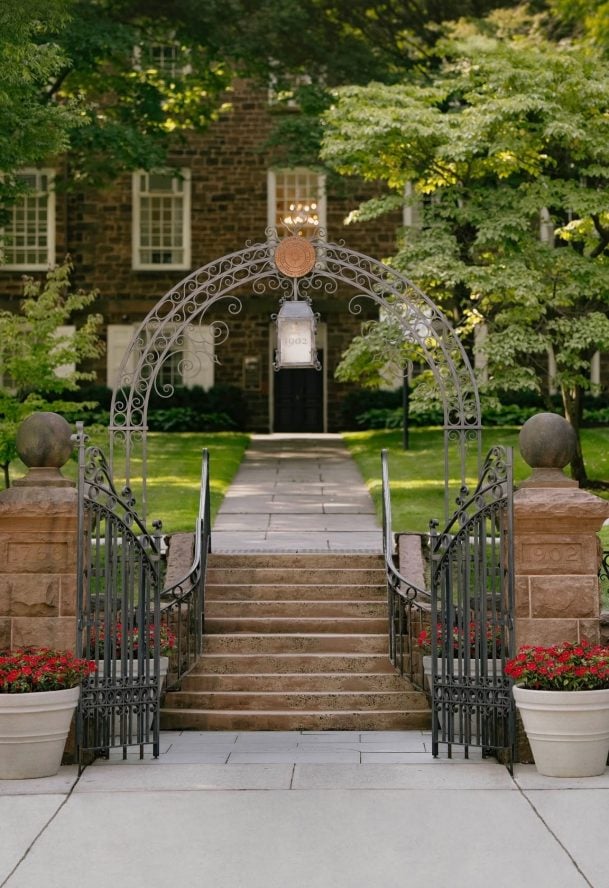
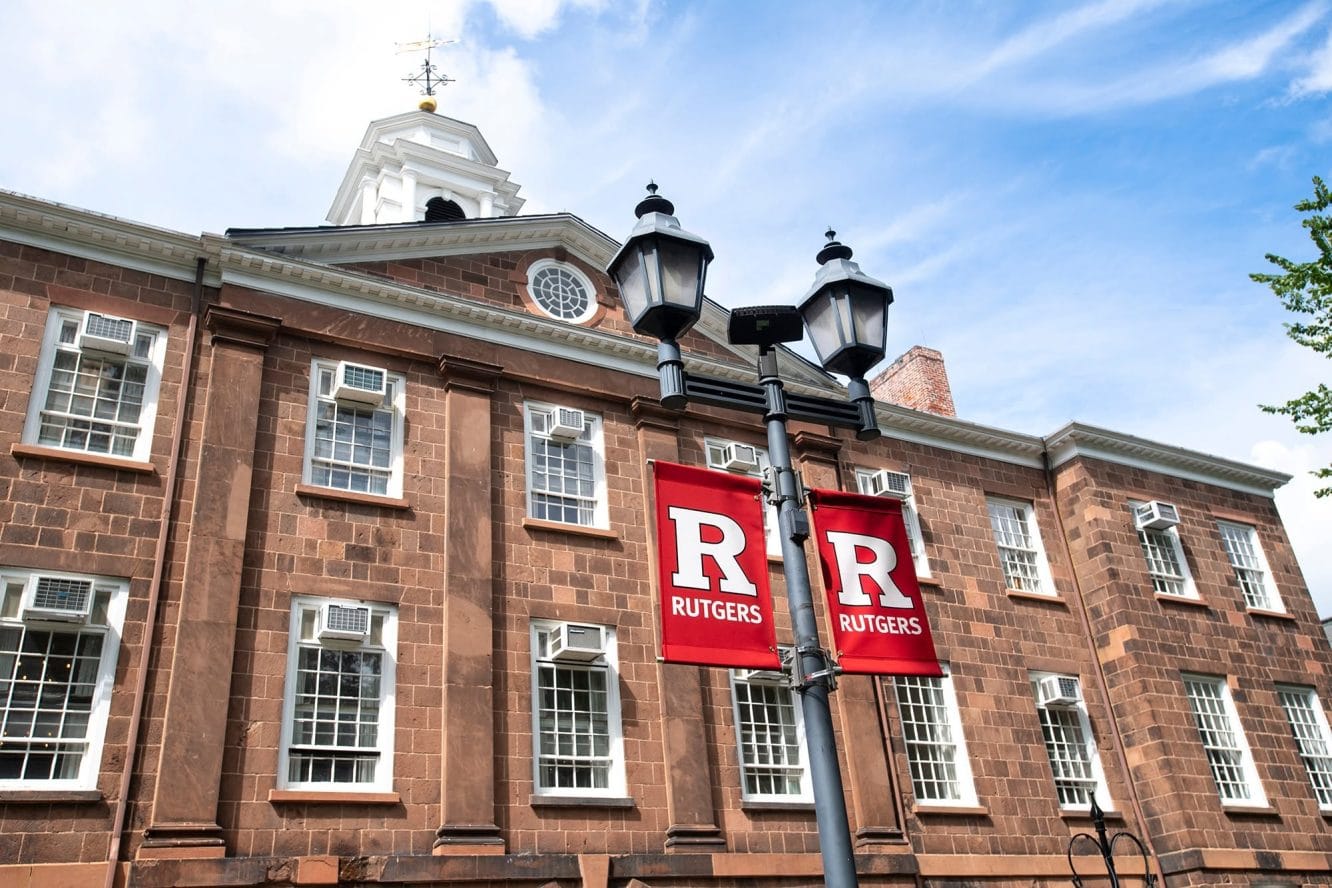
Rutgers University–New Brunswick is the flagship campus of Rutgers, The State University of New Jersey, and one of the nation’s oldest institutions of higher education. Its five residential campuses stretch across New Brunswick and Piscataway, creating distinct academic and social neighborhoods within one large public research university.
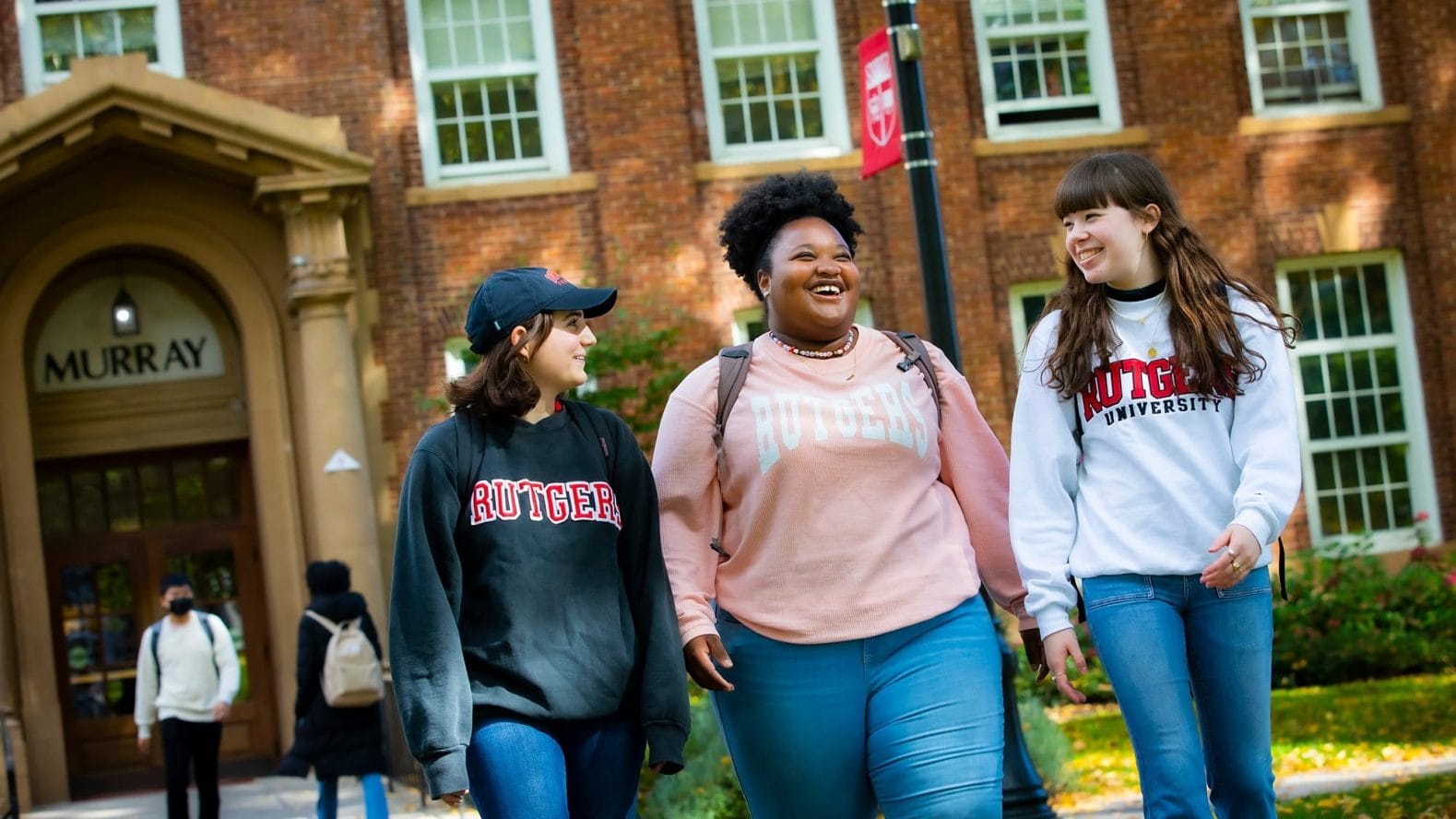
Students can choose from a broad range of majors while drawing on the resources of a member of the Big Ten Academic Alliance and the Association of American Universities. The scale is substantial, but academic schools, departments, residence communities, and student organizations give students many ways to make the university feel more personal.
Get to know Rutgers University
College Highlights


RESEARCH THAT STARTS EARLY
Undergraduates do not have to wait for graduate school to participate in discovery. The Aresty Research Center connects students with faculty-led projects across disciplines, while summer fellowships, honors research, independent study, and research-focused courses give students additional ways to build skills and contribute to original work.
EXPERIENCE BEYOND THE LAB
Rutgers students can also learn through internships, co-ops, field placements, clinical experiences, service, and global study. The university’s location places students within reach of major employers, hospitals, nonprofits, government agencies, and cultural institutions across the Northeast, while Rutgers Handshake and campus career teams help students find opportunities that fit their goals.
ENROLLMENT BY ETHNICITY
Non-U.S. Citizen: 10%
Hispanic/Latine: 15%
Black or African American, non-Hispanic: 8%
White, non-Hispanic: 32%
Native/Indigenous American or Alaska Native, non-Hispanic: 0%
Asian, non-Hispanic: 29%
Native Hawaiian or other Pacific Islander, non-Hispanic: 29%
Two or more races, non-Hispanic: 3%
Race and/or ethnicity unknown: 3%
A LARGE UNIVERSITY WITH MANY MENTORS
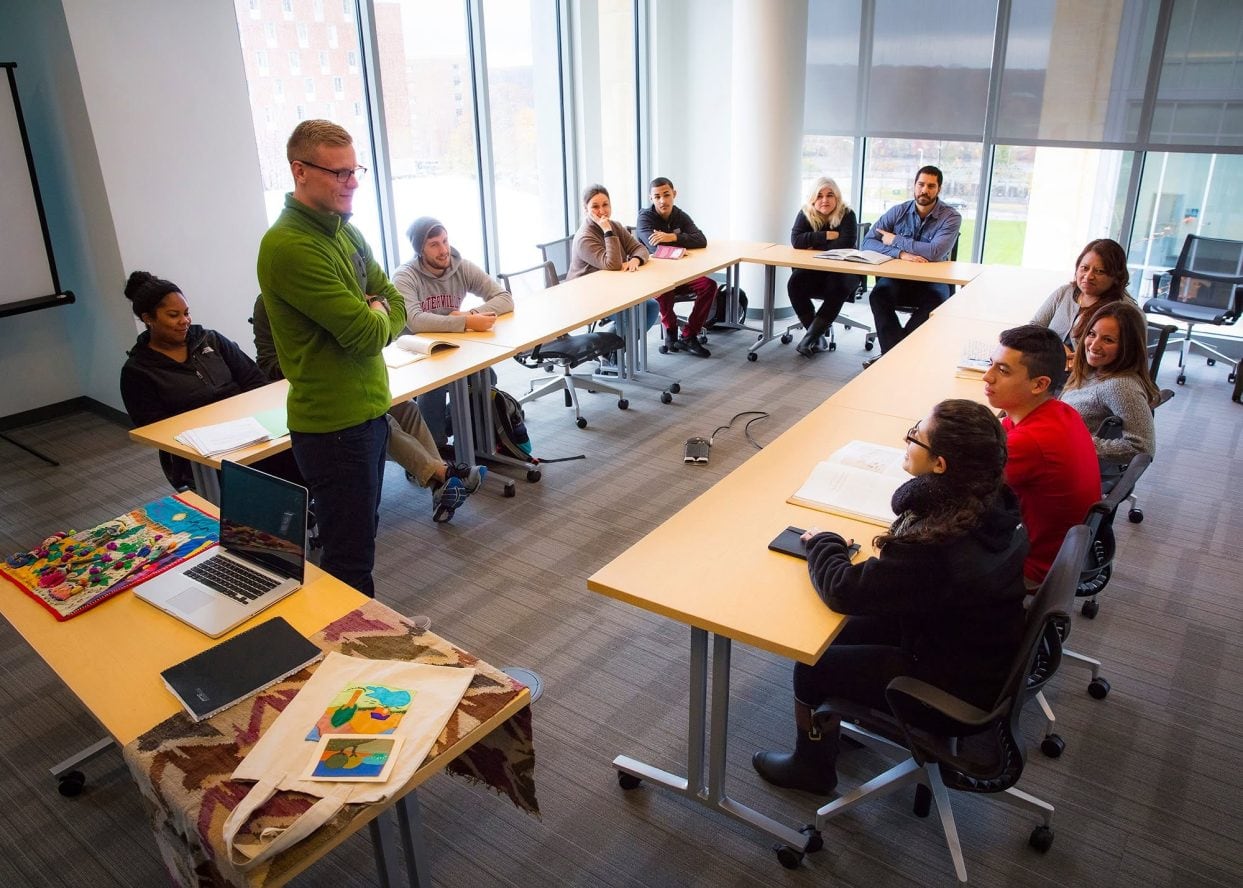
Rutgers offers the resources of a major research institution, but teaching and advising happen within smaller academic communities. Students work with faculty through seminars, laboratories, studios, research projects, and office hours, with advising support organized through their school and major.
FACULTY AT THE EDGE OF THEIR FIELDS
Because Rutgers faculty are active researchers and practitioners, classroom learning is often connected to work happening in laboratories, institutes, clinics, and communities across the university. Programs such as Aresty make faculty mentorship especially visible by inviting undergraduates into that work and helping them develop the confidence to ask and investigate questions of their own.
FIVE CAMPUSES, ONE RUTGERS COMMUNITY
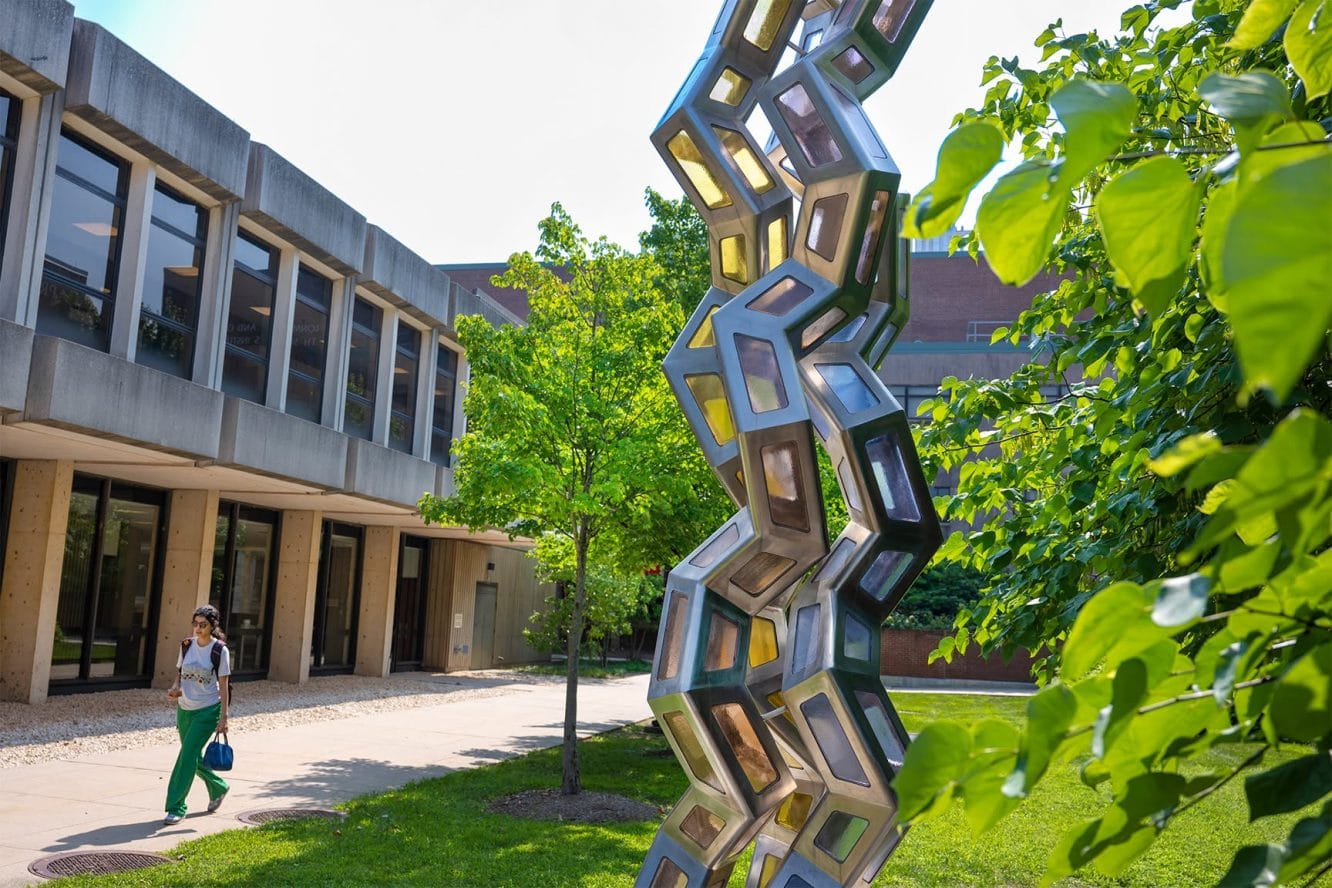
College Avenue, Busch, Livingston, Cook, and Douglass each bring a different feel to the Rutgers–New Brunswick experience. Campus buses connect the five areas, giving students access to residence halls, dining, recreation, libraries, arts spaces, and academic facilities across the university.
A PLACE FOR ALMOST ANY INTEREST
Hundreds of student-run organizations make it possible to find communities around culture, service, performance, media, academic interests, recreation, advocacy, and professional goals. Big Ten athletics, Rutgers Day, campus traditions, and the surrounding New Brunswick community add another layer of activity to a university where students can continually discover new corners of campus life.
CAREER SUPPORT AT BIG TEN SCALE
Rutgers career services connect students with internship and job opportunities, career fairs, employer events, résumé and interview support, and Handshake. Students can begin exploring fields early and build a record of experience through internships, co-ops, research, clinical work, student employment, and other applied learning.
A NETWORK THAT REACHES FAR BEYOND NEW JERSEY
The combination of rigorous academics, faculty research, and the university’s extensive alumni and employer connections gives graduates many pathways into work or continued study. Students leave with experience navigating a large, complex institution while also building the communication, collaboration, research, and problem-solving skills that transfer across careers.
Admission
TEST SCORES
Optional
FRESHMAN PROFILE
SAT Evidence-Based Reading and Writing
25th Percentile: 650 | 75th Percentile: 730
SAT Math
25th Percentile: 660 | 75th Percentile: 770
ACT Composite
25th Percentile: 28 | 75th Percentile: 33
ACT Math
25th Percentile: 26 | 75th Percentile: 33
ACT English
25th Percentile: 28 | 75th Percentile: 35
Tuition & Cost
Tuition (in-state): $13,674
Tuition (out-of-state): $33,734
Fees: $3,565
Room: $9,366
Board: $6,348
Contact Rutgers University
Contact Admissions
admissions.rutgers.edu
(848) 445-4636
Campus Location
57 US Highway 1
New Brunswick, NJ 08901