SUNY College of Environmental Science and Forestry
SUNY College of Environmental Science and Forestry is one of the most distinctive public colleges in the country: a focused, mission-driven institution dedicated almost entirely to environmental science, forestry, sustainability, and related fields. Students who come to ESF are immersing themselves in environmental studies from day one, surrounded by peers and faculty who share the same sense of urgency about the planet’s most pressing challenges. If you care deeply about the natural world and want your education to reflect that, ESF is built for you.
Get to know SUNY College of Environmental Science and Forestry
College Highlights

LEARNING IN THE FIELD
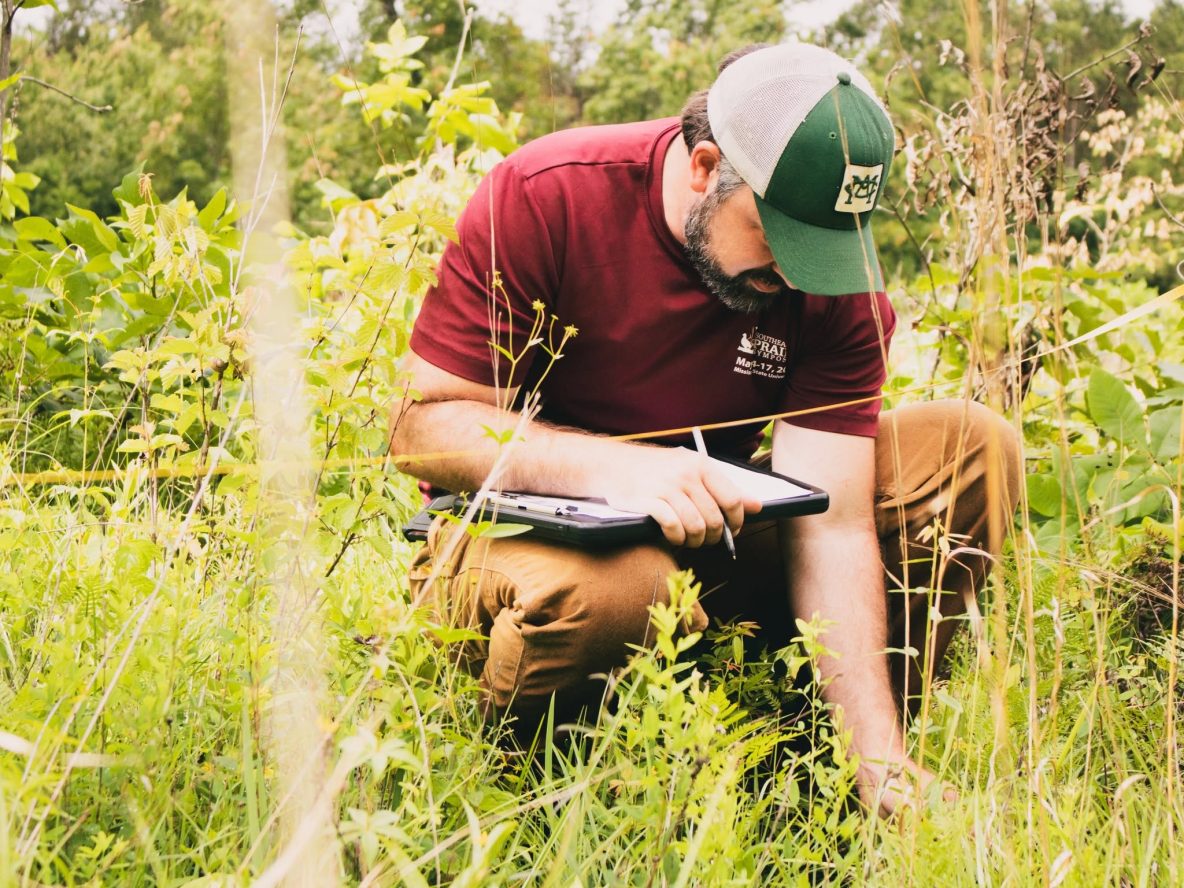
At ESF, the lab and the lecture hall are only part of the picture. The college maintains its own forest and field properties where students conduct real fieldwork as a natural extension of their coursework, applying classroom knowledge to the landscapes and ecosystems they are studying. These resources are woven into the curriculum across programs, giving students experience in actual environmental settings long before they graduate.
RESEARCH
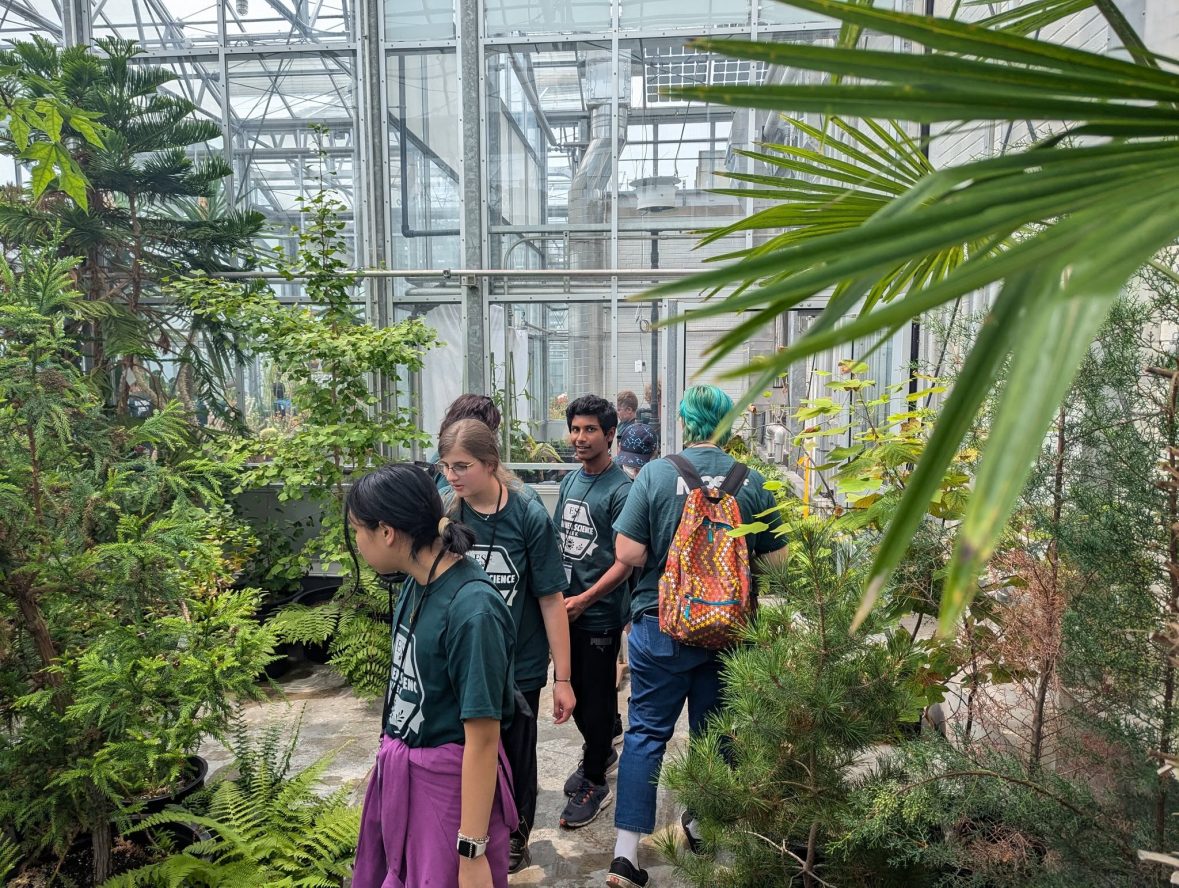
Research at ESF addresses challenges that matter: climate change, conservation, renewable energy, ecosystem restoration, and more. Undergraduate students are active participants in that work, joining faculty-led projects and conducting independent research across disciplines. The college’s focused mission means that research culture is not siloed in a graduate building somewhere; it permeates the entire academic community, and undergraduates are expected to contribute to it.
INTERNSHIPS AND EXPERIENTIAL LEARNING
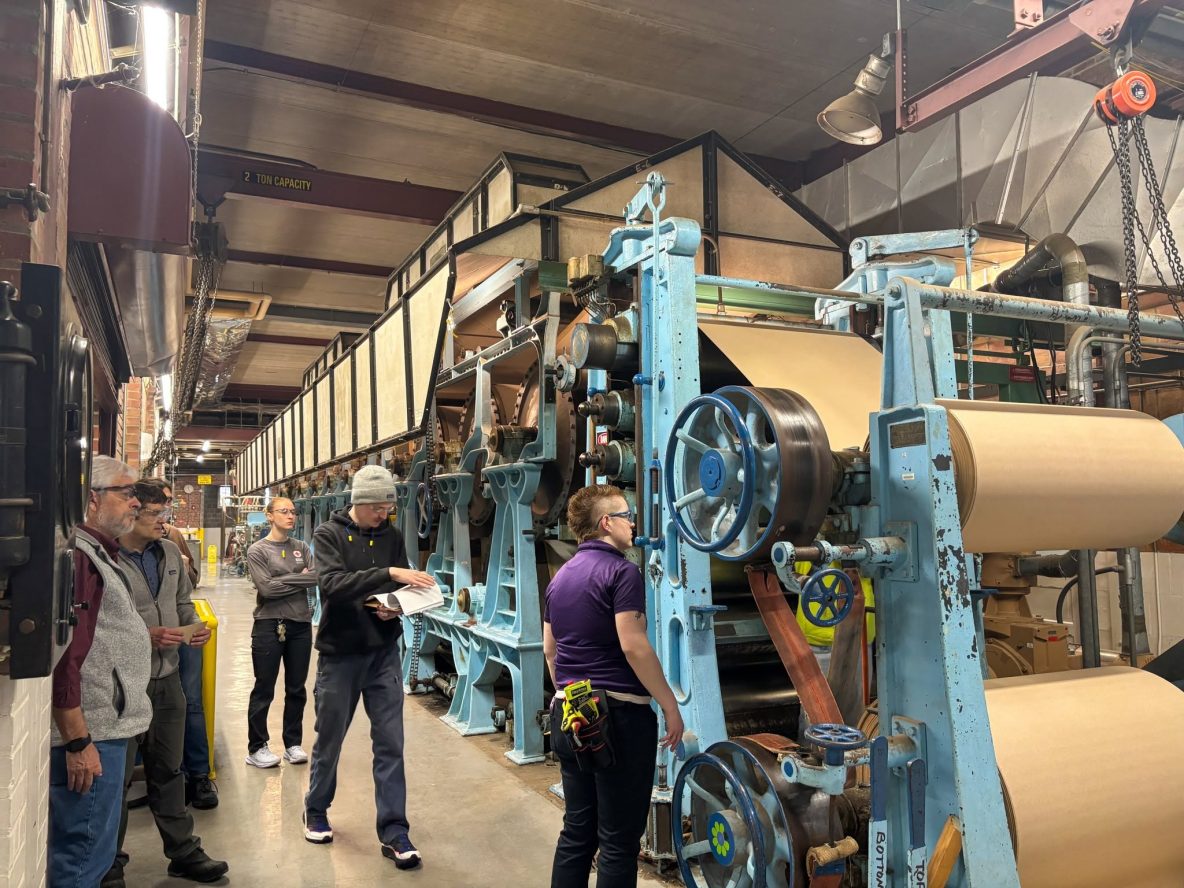
More than 60% of ESF students complete a formal internship during their time at the college, and experiential learning in some form is built into most programs. Fieldwork, research, practicum placements, co-ops, and employer-based capstone projects give students a range of ways to build professional experience before graduation. The result is a graduate who arrives at their first job having already worked in their field in a meaningful way.
ENROLLMENT BY ETHNICITY
Non-U.S. Citizen: 6%
Hispanic/Latine: 9%
Black or African American, non-Hispanic: 4%
White, non-Hispanic: 67%
Native/Indigenous American or Alaska Native, non-Hispanic: 0%
Asian, non-Hispanic: 4%
Native Hawaiian or other Pacific Islander, non-Hispanic: 4%
Two or more races, non-Hispanic: 6%
Race and/or ethnicity unknown: 3%
ESF’s small size and focused mission create the conditions for unusually close relationships between students and faculty. With a small student-to-faculty ratio and a campus community organized around a shared set of disciplines, students are known by their professors in ways that tend to be harder to find at larger institutions. Advisors are assigned based on major and required to meet with students each semester, ensuring that academic planning is an ongoing conversation rather than a last-minute scramble.
A required course in Diversity, Equity, Inclusion, and Social Justice is part of every student’s core curriculum, reflecting ESF’s understanding that solving environmental challenges requires grappling with the social and political contexts in which those challenges exist.
CAMPUS LIFE
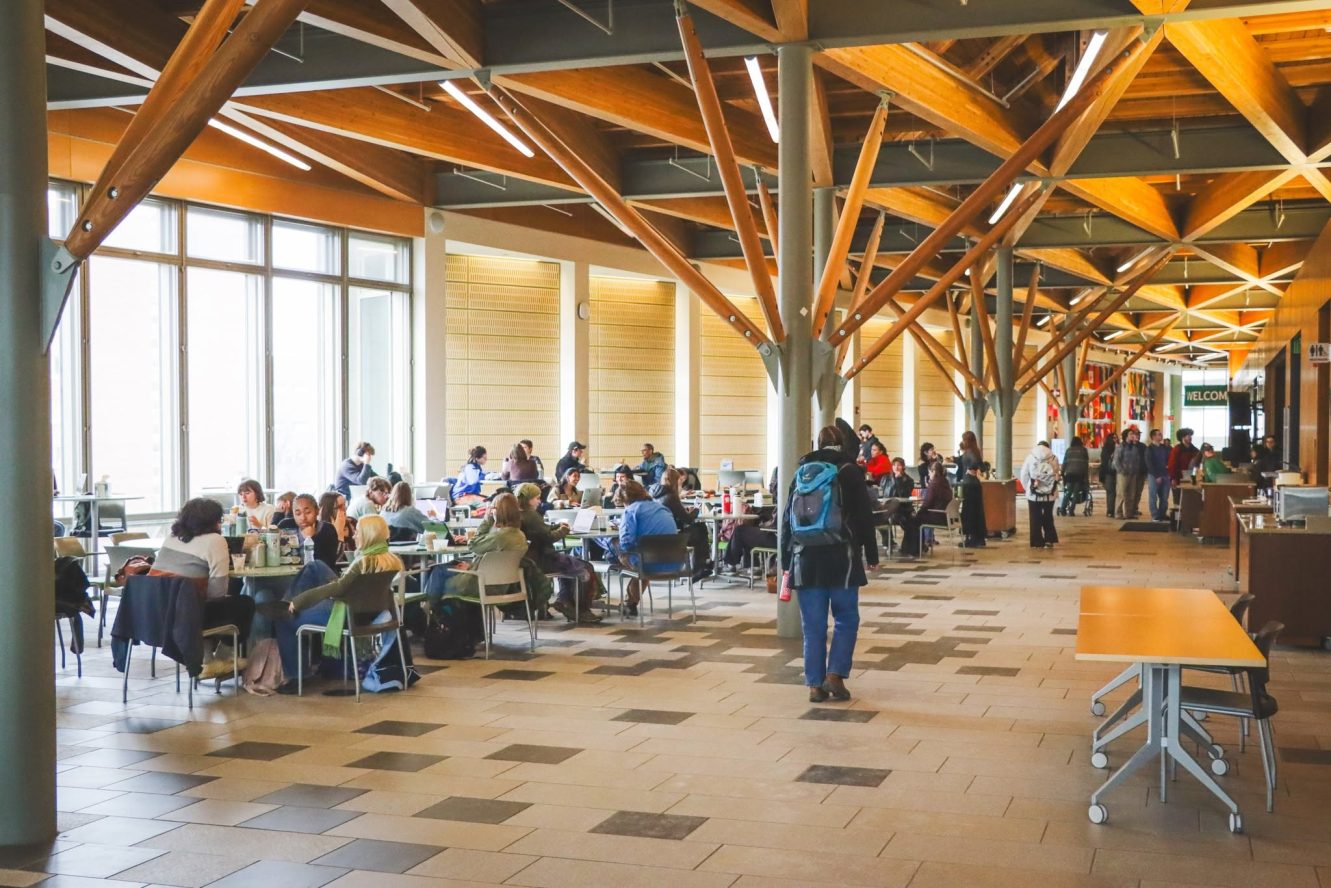
ESF’s student body is small and tight-knit, drawn together by a shared sense of purpose that gives the campus community an unusual coherence. The Bob Marshall Club, an outdoor and hiking organization, is among the most popular student groups on campus and reflects the spirit of the student body well. Timbersports, a competitive team sport that tests traditional forestry skills, is another distinctly ESF tradition that speaks to the college’s roots and identity.
THE SYRACUSE ADVANTAGE
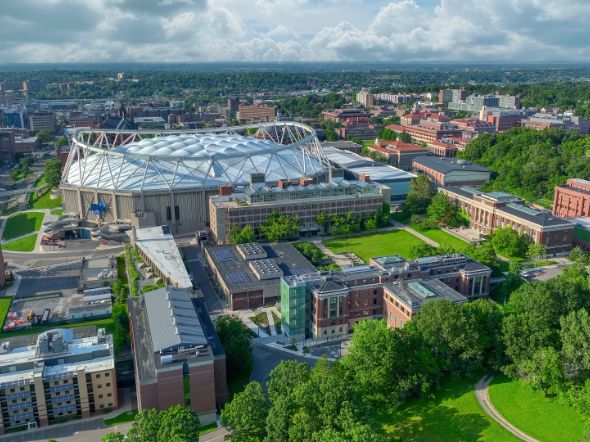
One of ESF’s most practical assets is its location on and around the campus of Syracuse University, a major research university with a large and active campus community. ESF students pay an activity fee to Syracuse, which opens access to more than 300 student clubs, fraternities and sororities, and club sports, as well as libraries, disability services, multicultural programming, chaplains, a pharmacy, and transportation. Students at ESF get the focused, mission-driven experience of a specialized college alongside the social and extracurricular resources of a much larger institution.
SYRACUSE
Syracuse is a mid-sized city with a genuine college-town energy, shaped in large part by the universities that call it home. Access to restaurants, arts, outdoor recreation, and a regional job market in sustainability, environmental consulting, and related fields makes the city a practical and enjoyable place to spend four years.
CAREER DEVELOPMENT
Career development at ESF is introduced at orientation and integrated throughout the academic experience. One-on-one counseling, résumé and cover letter support, interview preparation, networking events, and a job and internship board are all available across all four years, with planned touch-points built into the curriculum so that career thinking happens continuously rather than only at the end.
ESF’s alumni network is active within environmental fields, and the college’s reputation among employers in conservation, sustainability, forestry, and environmental science gives graduates a meaningful professional foundation to build on. Students leave ESF with something that is harder to manufacture: genuine expertise, real field experience, and a clear sense of why the work they do matters.
Admission
TEST SCORES
Optional
Tuition & Cost
Tuition (in-state): $7,070
Tuition (out-of-state): $20,030
Fees: $2,136
Room: $10,200
Board: $7,880
Contact SUNY College of Environmental Science and Forestry
Contact Admissions
esf.edu/admissions/undergraduate
(315) 470-6600
esfinfo@esf.edu
Campus Location
1 Forestry Drive
Syracuse, NY 13210
(315) 470-6500