
Georgetown University
Washington, D.C.
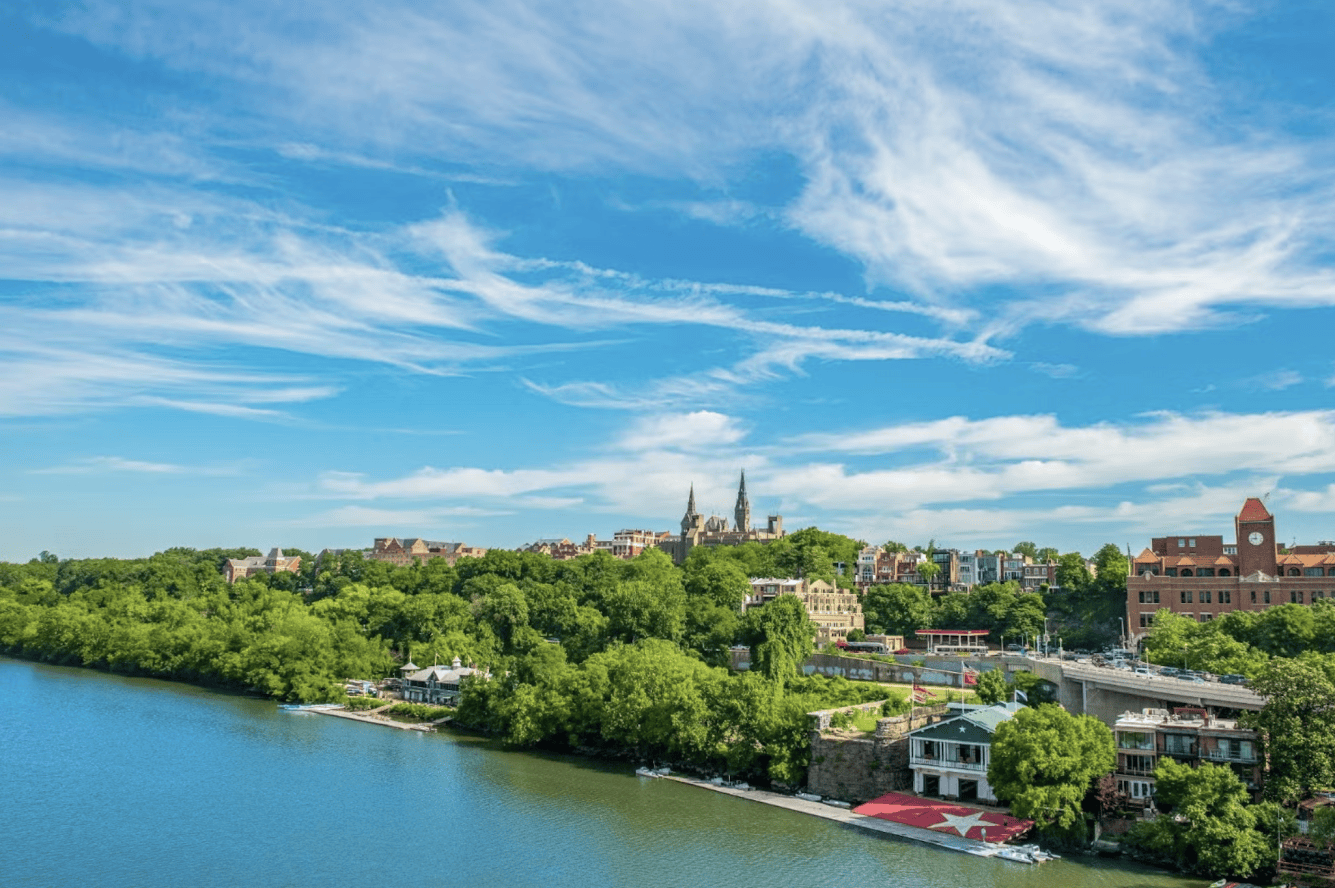
Founded in 1789, Georgetown University is the nation’s oldest Catholic and Jesuit university. From its historic Hilltop campus in Washington, D.C., students enter a research university where scholarship is closely tied to public life, global affairs, service, and the questions shaping contemporary society.
Georgetown’s Jesuit tradition gives that education a distinct sense of purpose. The principle of cura personalis, or care for the whole person, encourages students to develop intellectually while also considering the ethical, social, and human dimensions of their work. Students of different faiths, cultures, and beliefs share the university community, bringing a wide range of perspectives into classrooms, residence halls, service projects, and conversations across campus.
Get to know Georgetown University
College Highlights
WASHINGTON AS A CLASSROOM
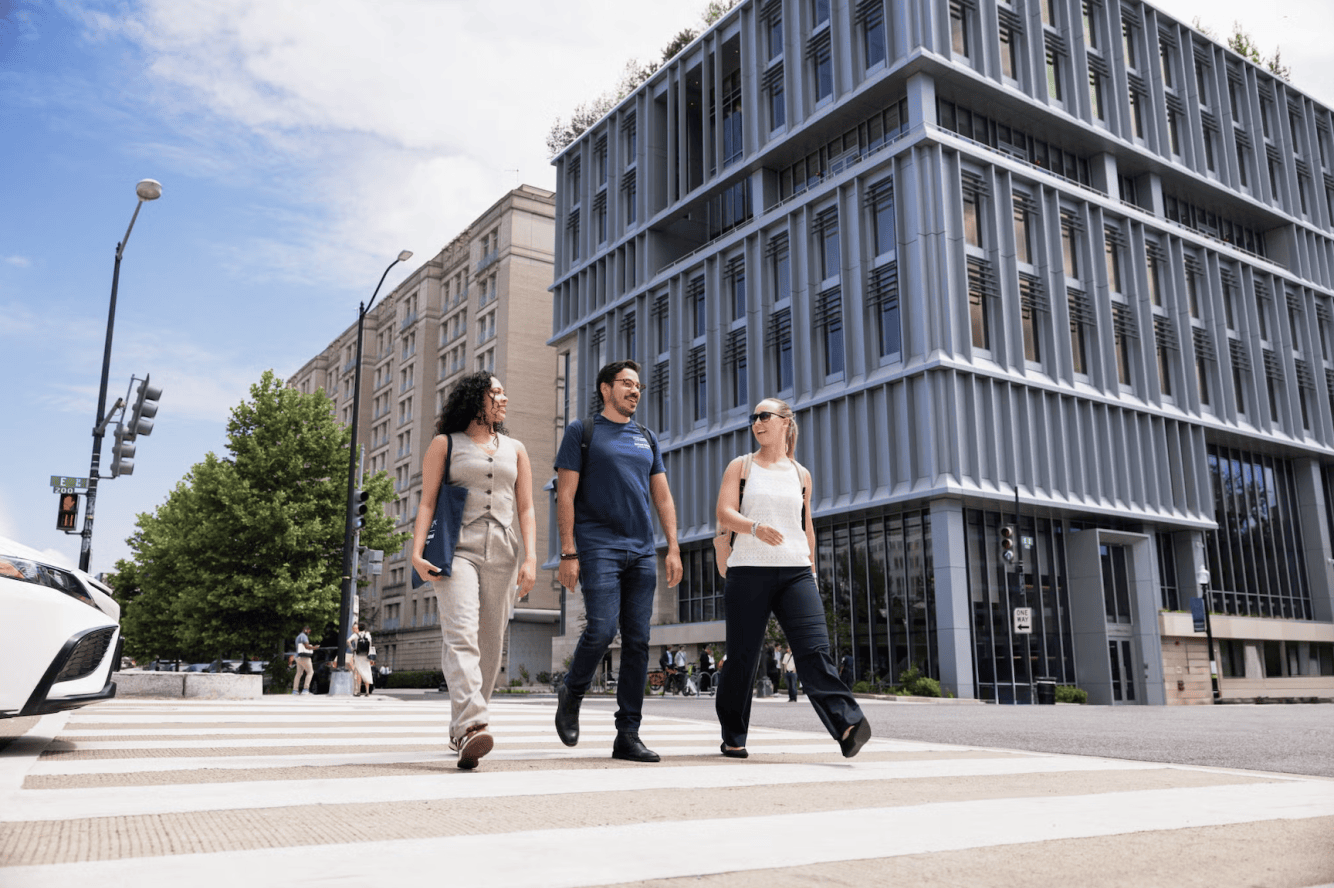
Georgetown students have frequent opportunities to take learning beyond a traditional classroom. Research, internships, community-based work, study abroad, and public service connect academic questions to institutions and communities in Washington and around the world. The university’s location makes it natural for students to see politics, business, health, culture, and social change not only as subjects to study, but as fields they can enter and examine firsthand.
RESEARCH AND GLOBAL LEARNING
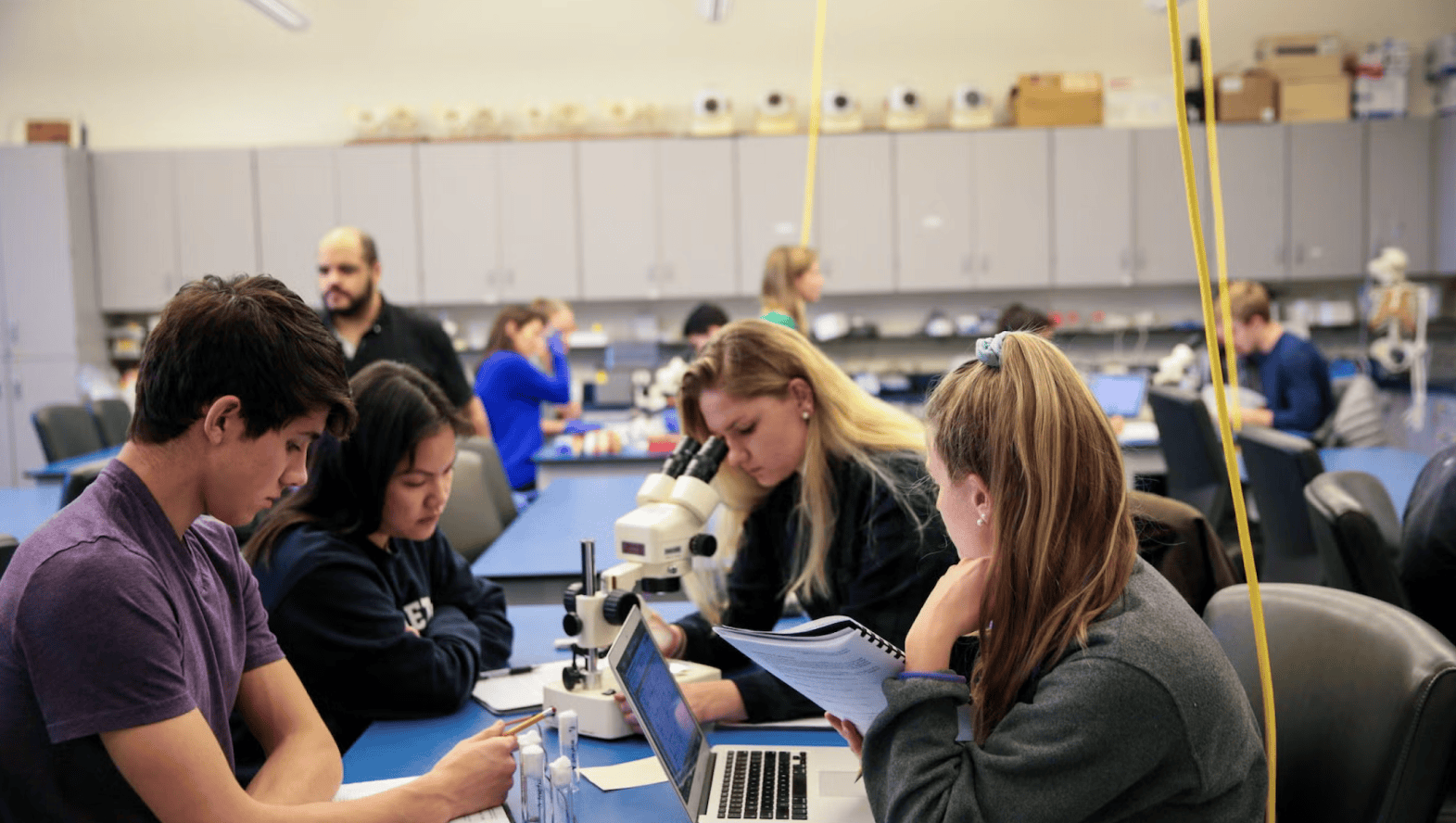
Undergraduates can pursue independent and faculty-mentored research through programs supported by the Center for Research & Fellowships, including the Georgetown University Research Opportunities Program and other funding pathways for thesis and independent work. The Office of Global Education extends that reach internationally through credit-bearing study abroad opportunities across dozens of countries. Together, these experiences give students multiple ways to test ideas, develop questions of their own, and bring a broader perspective back to their academic work.
ENROLLMENT BY ETHNICITY
Non-U.S. Citizen: 16%
Hispanic/Latinx: 7%
Black or African American, non-Hispanic: 6%
White, non-Hispanic: 38%
Native/Indigenous American or Alaska Native, non-Hispanic: 0%
Asian, non-Hispanic: 13%
Native Hawaiian or other Pacific Islander, non-Hispanic: 13%
Two or more races, non-Hispanic: 4%
Race and/or ethnicity unknown: 16%
CURA PERSONALIS IN PRACTICE
Georgetown’s Jesuit approach to education places reflection, dialogue, and attention to the individual at the center of learning. Faculty bring active scholarship into their teaching while inviting students to ask difficult questions, consider competing perspectives, and connect intellectual work with ethical responsibility. Mentorship often continues through research, advising, and projects that allow students to work more closely with professors beyond a single course.
SEMINARS BUILT FOR CONVERSATION
For first-year students in the College of Arts & Sciences, programs such as the Ignatius Seminars create an especially personal introduction to university-level study. Faculty design these small seminars around subjects they care deeply about, with reading, writing, discussion, and reflection forming much of the experience. Other first-year seminar options emphasize dialogue, intercultural learning, and close engagement with texts and ideas, giving students space to develop their voices while learning how to listen carefully to others.
LIFE ON THE HILLTOP
Georgetown’s campus life draws together the energy of a residential university and the possibilities of Washington, D.C. Students can choose from hundreds of organizations spanning performing arts, journalism, cultural communities, professional interests, advocacy, recreation, and service. Residence halls, apartments, townhouses, and Living Learning Communities create additional spaces for students to form friendships and build traditions into everyday life.
FAITH, SERVICE, AND BELONGING
The university’s Catholic and Jesuit identity is visible throughout campus, but Georgetown’s religious life is intentionally interfaith. Campus Ministry supports Catholic, Protestant, Jewish, Muslim, Orthodox Christian, and Dharmic communities, along with retreats, dialogue, and service opportunities open to students from many backgrounds. The Center for Social Justice adds another avenue for involvement through community-based service and partnerships across the city, reinforcing a campus culture that asks students to consider how they can contribute as well as participate.
CAREER EDUCATION WITH PURPOSE
The Cawley Career Education Center helps Georgetown students connect their education with work that fits their interests, values, skills, and goals. Career advisors offer support with exploration, industry guidance, interviewing, and job or internship searches, while Handshake and employer programs help students find opportunities and build professional relationships throughout their undergraduate years.
CONNECTIONS THAT EXTEND BEYOND CAMPUS
Georgetown’s academic and experiential opportunities give students substantial material to carry into graduate study, public service, and professional life. Research, internships, international study, and community engagement all ask students to communicate clearly, adapt to unfamiliar settings, and work across differences. Combined with the university’s Washington location and broad alumni community, those experiences help graduates move forward with both practical preparation and a strong sense of how their work can serve a larger purpose.
Admission
FRESHMAN PROFILE
SAT Evidence-Based Reading and Writing
25th Percentile: 700 | 75th Percentile: 770
SAT Math
25th Percentile: 690 | 75th Percentile: 780
ACT Composite
25th Percentile: 31 | 75th Percentile: 35
ACT Math
25th Percentile: 29 | 75th Percentile: 34
ACT English
25th Percentile: 34 | 75th Percentile: 36
TEST SCORES
Required
Tuition & Cost
Tuition: $64,896
Fees: $185
Room: $13,236
Board: $7,960
Contact Georgetown University
Contact Admissions
Campus Location
37th and O Streets, N.W.
Washington, D.C. 20057
(202) 687-0100