

Trinity University
San Antonio, Texas
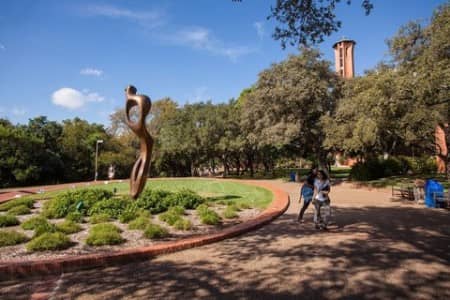
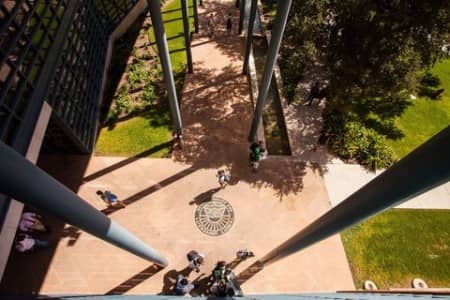
Trinity University is a private university in San Antonio, Texas, known for combining a residential liberal arts experience with the resources of a broader university. Its hilltop campus brings together students across the humanities, sciences, business, engineering, and the arts in an academic environment designed around close faculty relationships.
Trinity’s curriculum encourages students to explore across disciplines while building depth in a major. San Antonio adds another dimension to that education, giving students access to health care, business, nonprofits, cultural institutions, research, and civic organizations throughout one of the nation’s largest cities.
Get to know Trinity University
College Highlights




UNDERGRADUATE RESEARCH
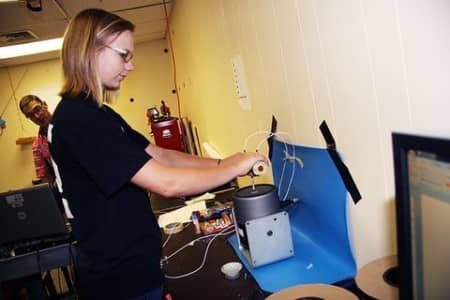
Trinity students are constantly involved in undergraduate research. The university makes it possible for students to work side-by-side with talented faculty. In some cases, students are even published in journals as co-authors. Trinity offers research opportunities across most disciplines, allowing the majority of students to get involved before graduation.
Summer Research Program: Trinity selects a group of students to stay on campus over the summer months and conduct research. Most students receive a stipend and free housing for their work, and all projects are closely overseen by a faculty member. At the end of the summer program, students present their findings at a research symposium.
STUDY ABROAD
Study abroad is an incredible opportunity with amazing benefits. Students that choose to go abroad gain valuable skills like cross-cultural communication and independence. More than that, many students develop a greater sense of respect and understanding as they learn what it means to become a global citizen. Trinity takes an individual approach to study abroad, and advises each student based on their academic and personal goals. By meeting with students one-on-one, Trinity ensures that each individual chooses the right program.
Direct Enrollment and Exchange: It is highly encouraged that students seek out direct enrollment or exchange programs. In a direct enrollment relationship, a student is enrolled in a university abroad. This option is best suited for students with highly advanced language skills, as there are substantial demands to read, write and communicate in a foreign language. However, there are some programs where the primary language is English. Exchange programs are slightly different in that they involve a mutual relationship between Trinity and an international university. In an exchange agreement, students and faculty from both institutions may use the other’s resources for academic purposes like research and study abroad. Trinity currently has exchange agreements with six international universities. The locations for the exchange partners are as follows:
- Monterrey, Mexico
- Hong Kong, China
- Shanghai, People’s Republic of China
- Tainan, Taiwan
- Yonsei University, Seoul, Korea
- Ewha Woman’s University, Seoul, Korea
THE PLUNGE
The Plunge is a four-day excursion that takes place before new student orientation. The trip is sponsored by Trinity’s Chapel Fellowships and involves a mixture of mission work, reflection, and worship. The Plunge is a great way for new students to meet and connect with future peers and upperclassmen. After the trip has ended, students can choose to remain involved with the Chapel Fellowships, which are Christian faith groups that meet weekly on campus.
COMMUNITY SERVICE
A college education extends beyond academics. It’s much more holistic. Service to the community is an integral part of the undergraduate experience. Not only do students need to recognize their educational responsibilities, but they must also address their duties to the both the local and global communities. Trinity offers several different service opportunities that range from volunteerism to alternative breaks.
ENROLLMENT BY ETHNICITY
Non-U.S. Citizen: 4%
Hispanic/Latinx: 21%
Black or African American, non-Hispanic: 4%
White, non-Hispanic: 56%
Native/Indigenous American or Alaska Native, non-Hispanic: 0%
Asian, non-Hispanic: 8%
Native Hawaiian or other Pacific Islander, non-Hispanic: 0%
Two or more races, non-Hispanic: 5%
Race and/or ethnicity unknown: 1%
FACULTY ACCESS AS A DEFINING FEATURE
Trinity’s relatively small undergraduate population makes close interaction with faculty a central part of the academic experience. Professors teach their own courses, advise students, and often mentor research, independent projects, and creative work.
LEARNING THROUGH DISCUSSION AND INQUIRY
Small classes create room for discussion, feedback, revision, and collaborative problem-solving. As students move into advanced courses, faculty mentorship becomes more individualized, helping them refine questions, build confidence, and take greater ownership of their academic work.
A RESIDENTIAL CAMPUS IN SAN ANTONIO
Trinity’s campus life is built around a close residential community with student organizations, performances, recreation, leadership opportunities, service, and Division III athletics. Students can find communities centered on academic interests, identity, culture, the arts, professional goals, and hobbies.
SAN ANTONIO
San Antonio is the 7th largest city in the U.S., and it is filled with cultural, athletic, and recreational opportunity. Because Trinity is so close to the downtown area, students are given amazing access to the city’s many attractions. San Antonio has museums, theme parks, the Alamo, 4 professional sports teams, The River Walk, and so much more to offer! Students are highly encouraged to take advantage of all that the city has to offer.
SUSTAINABILITY AND CAMPUS
Trinity is highly dedicated to practices and lifestyles that promote sustainability. This dedication can be seen, not only in volunteer and service efforts, but in the curriculum as well. Ultimately, Trinity wants to reduce its global footprint and promote the benefits of sustainable practices.
Sustainability in Education: Trinity’s Environmental Studies program is an exciting opportunity to address the challenges of sustainability. Students enrolled in the program take a variety of courses in the sciences, arts, humanities, and social sciences. On top of coursework, students are also involved in service initiatives, field work, and internships that deal with the environment. The program also offers the unique opportunity to participate in summer research. Chosen students travel to High Lonesome Ranch, on the Western Slop of the Colorado Rockies, to study conservation in an outdoor laboratory.
Co-Curricular and Community Initiatives: As part of Trinity’s commitment to smart environmental practice, the university offers environmental community service initiatives. Community service is a great way for students to get their hands dirty working outdoors, in a local garden, or on some other environmentally-focused project. Aside from service, the university is also very active with Earth Week. During this period, there are earth-themed events on campus and coursework reflects the issues that face sustainability and the environment.
THE CENTER FOR EXPERIENTIAL LEARNING & CAREER SUCCESS
Memorizing information and reading course material will only get you so far. Trinity recognizes that a truly marketable student needs to have hands-on experience prior to graduation. The Center for Experiential Learning & Career Success is responsible for connecting students to opportunities in which they can apply academic theory to real-life situations. In many cases, the center connects students with opportunities where they can practice leadership and management skills.
CAREER-ENGAGED LEARNING
Trinity’s career support emphasizes exploration, mentorship, hands-on experience, and alumni connections from the beginning of college. Students can work with career staff on internships, résumés, interviewing, graduate-school planning, and industry exploration while building relationships with employers and alumni.
A LIBERAL ARTS EDUCATION WITH PRACTICAL REACH
Research, internships, community engagement, and leadership give students concrete experiences to draw on when they apply for jobs or graduate programs. Trinity graduates leave with the broad thinking of a liberal arts education as well as repeated practice communicating ideas, solving problems, and adapting to unfamiliar situations.
Admission
TEST SCORES
Required
FRESHMAN PROFILE
SAT Evidence-Based Reading and Writing
25th Percentile: 630 | 75th Percentile: 710
SAT Math
25th Percentile: 620 | 75th Percentile: 710
ACT Composite
25th Percentile: 28 | 75th Percentile: 32
ACT Math
25th Percentile: 26 | 75th Percentile: 30
ACT English
25th Percentile: 27 | 75th Percentile: 34
Tuition & Cost
Tuition: $45,840
Fees: $616
Room: $8,690
Board: $5,733
Contact Trinity University
Contact Admissions
www.trinity.edu/admissions-aid
(210) 999-7207
admissions@trinity.edu
Campus Location
One Trinity Place
San Antonio, TX 78212
(800) 874-6489
Visit Trinity University Online